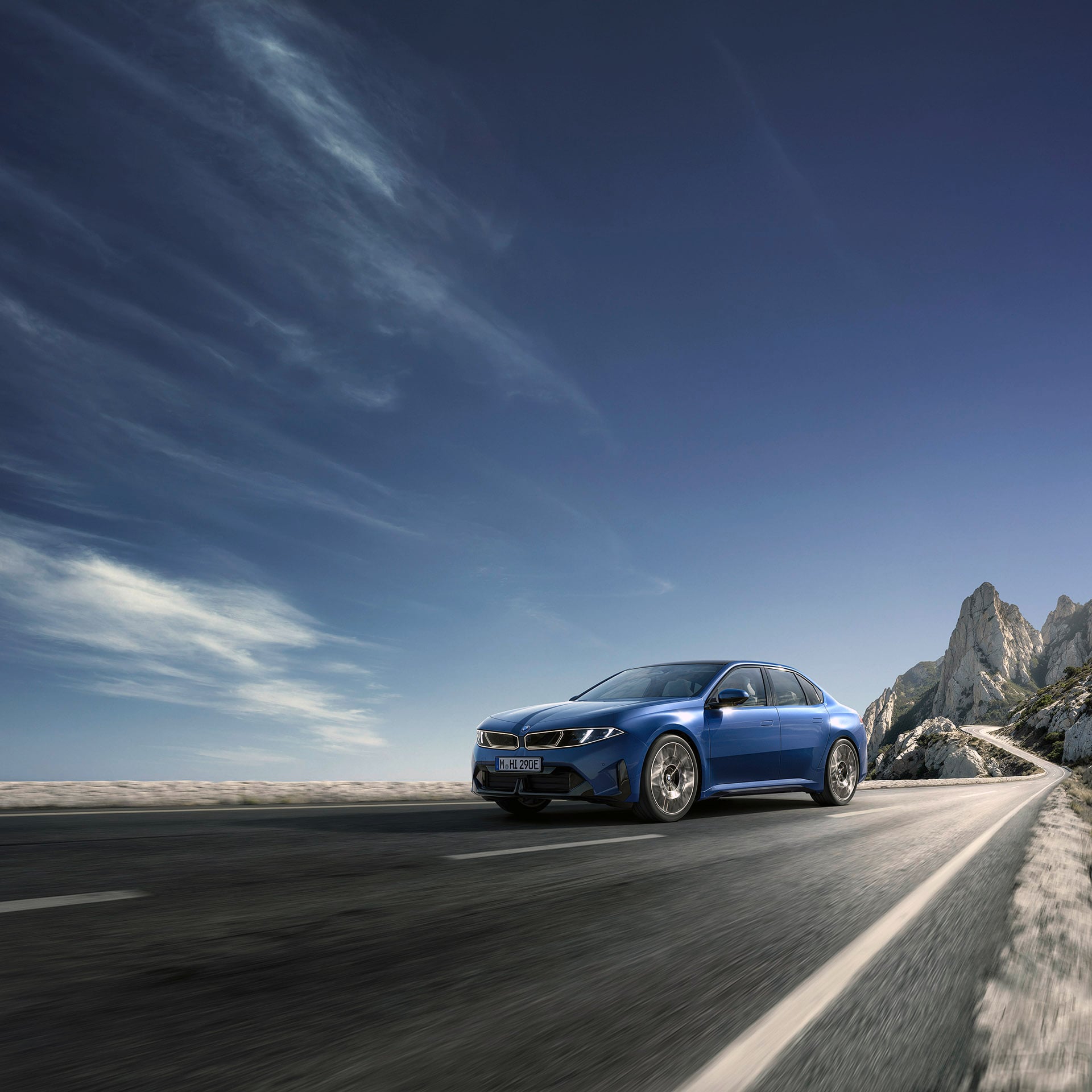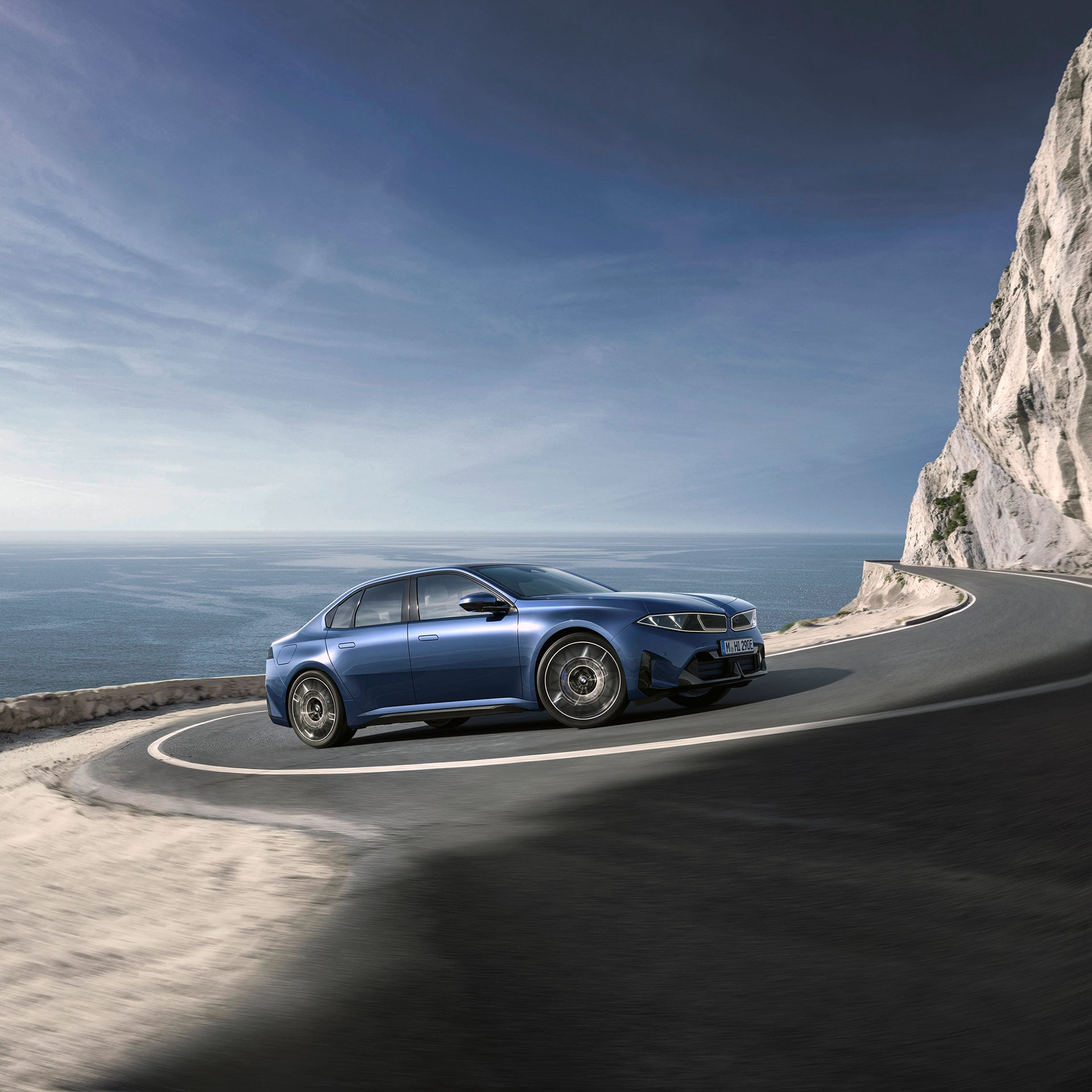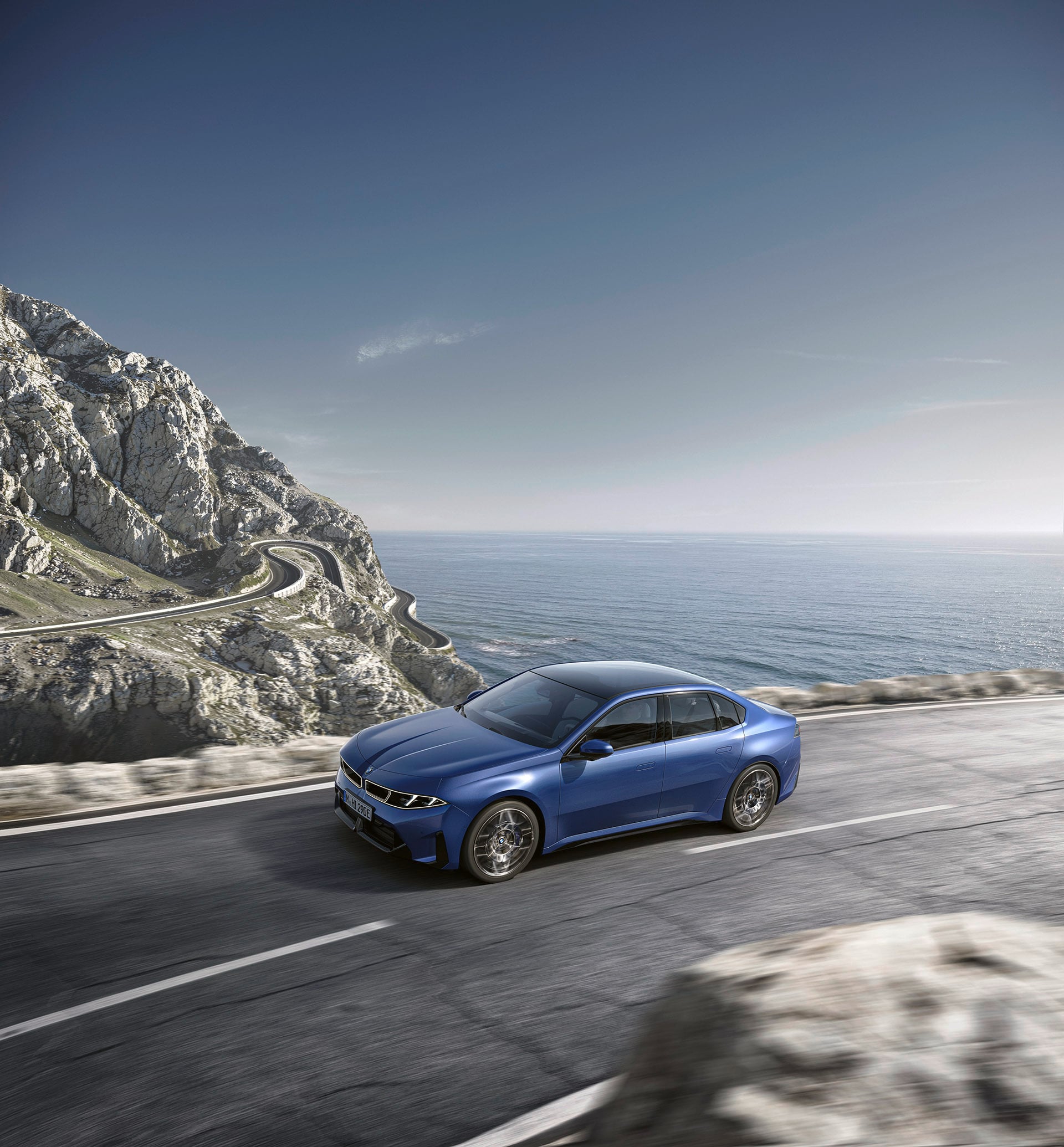
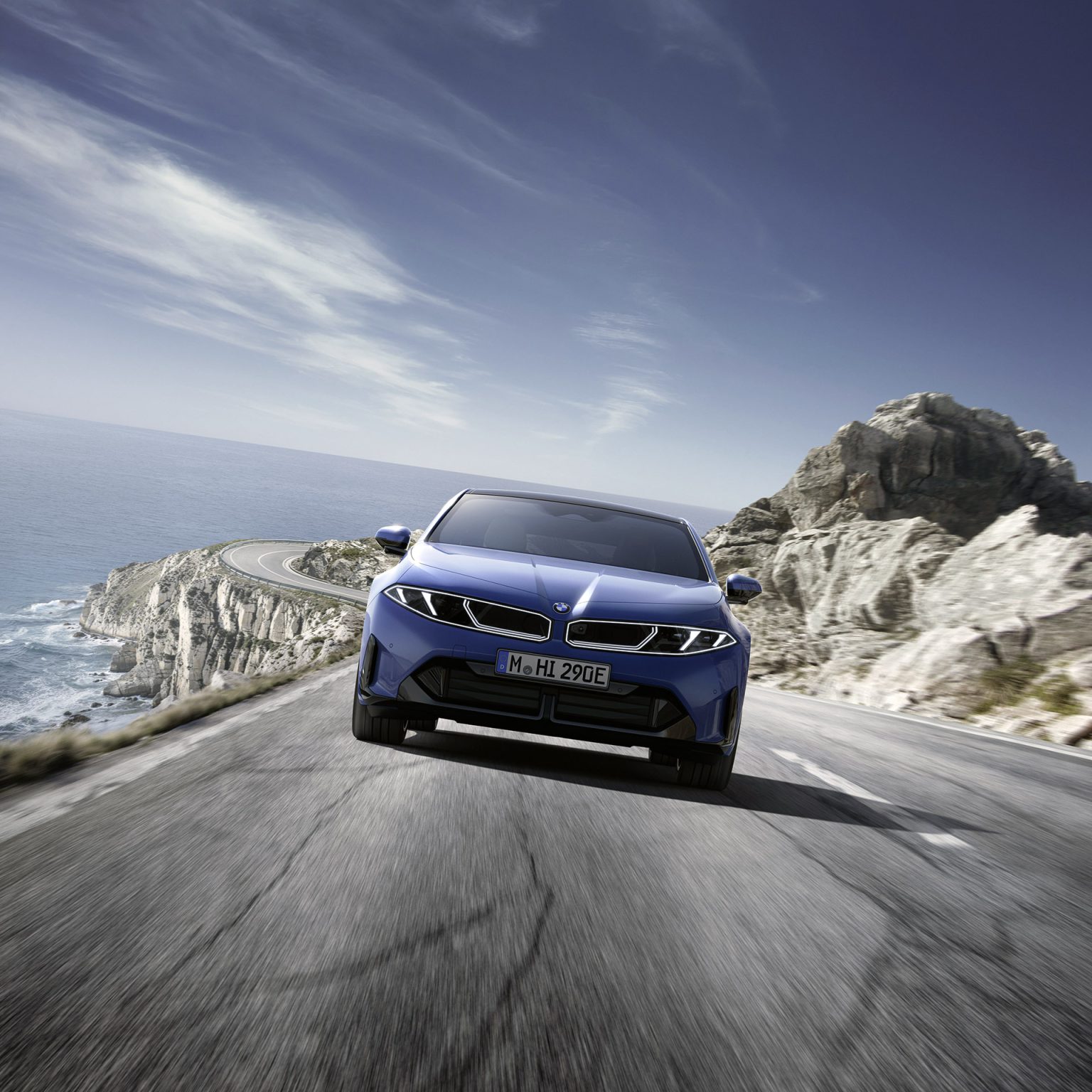
BMW just dropped its most important car in years. The new BMW i3 is the first fully electric 3 Series, built from the ground up on the Neue Klasse platform, and it’s not just an EV retrofit of something old. This is a clean-sheet car, and the numbers back it up.
The 3 Series has been BMW’s core product for five decades. Not the M cars, not the 7 Series, not whatever concept they’re showing at auto shows. The 3 Series is the one that built the brand’s reputation for driver-focused sedans, the one that made “the ultimate driving machine” a credible claim rather than just ad copy. Every generation carries that weight, and the pressure on this one is heavier than most.
Because this isn’t just a new generation. It’s a fundamental shift. BMW is betting that everything the 3 Series stands for, precise handling, sporting character, and driver involvement, can survive the transition to full electrification. Not just survive it, but be amplified by it. That’s a bold position in a market where most electric sedans feel like appliances wearing a performance badge.
The i3 is also the second vehicle in BMW’s Neue Klasse lineup, following the iX3 SUV that introduced the new design language and platform. But if the iX3 was the proof of concept, the i3 is the statement. This is the one BMW needed to get right. A 3 Series that disappoints is a brand problem, not a product problem. Everything from the 800-volt architecture to the rethought steering wheel to the new Heart of Joy computer feels like it was built under that pressure, and that’s not a bad thing.
Performance That Earns the Badge
The launch spec is the BMW i3 50 xDrive, a dual-motor all-wheel-drive setup with one motor on each axle. Combined system output is 463 hp and 476 lb-ft of torque. That’s meaningful muscle for a sports sedan, and it comes from a motor pairing BMW clearly put real engineering effort into rather than slapping two generic units together.
The rear axle gets an electrically excited synchronous motor (EESM), which is genuinely interesting from a technical standpoint. Unlike permanent magnet motors, the EESM’s magnetic field is electronically adjustable, so the car can dial back losses at low load and ramp up for full torque when you ask for it. The front axle runs a compact asynchronous motor (ASM). Together, BMW says this combination reduces energy losses by 40 percent, drops drive system weight by 10 percent, and cuts manufacturing costs by 20 percent compared to the previous generation. That’s a real improvement, not just marketing math.
Handling is managed by the Heart of Joy, a high-performance computer that controls drive, brakes, steering inputs, and recuperation. It responds ten times faster than previous BMW systems. The result, according to BMW, is more consistent cornering behavior and fewer corrective interventions. The standard suspension uses stroke-dependent shock absorbers with a two-joint spring strut front axle and a new five-link rear. An optional Adaptive M suspension is also available for those who want more control over the setup.
Battery and Range: The Numbers That Matter
The i3 runs on sixth-generation BMW eDrive technology with an 800-volt architecture. The high-voltage battery uses new cylindrical cells with a 46mm diameter and 95mm height, offering a 20 percent improvement in volumetric energy density over the prismatic cells used in Gen5. BMW integrates them directly into the pack without modular housing, a cell-to-pack design that saves weight and pushes energy density higher at the pack level.
The projected range is up to 440 miles on the EPA cycle (based on preliminary BMW AG testing). That puts it well ahead of most current EVs in this segment. DC fast charging peaks at 400 kW, a significant jump enabled by the 800-volt foundation. Charging times are 30 percent faster than Gen5. BMW also includes bidirectional charging across three functions: Vehicle-to-Load for powering devices up to 3.7 kW, Vehicle-to-Home for supplying a home when combined with a wallbox and solar setup, and Vehicle-to-Grid for interacting with the public utility grid.
The charging flap opens automatically when the car detects your intent to charge, based on your movement toward a known station. Plug and Charge handles payment authentication. Battery pre-conditioning runs automatically when you route to a DC station via BMW Maps. These are quality-of-life features that actually address the friction points people complain about with EV charging.
Design: Familiar Proportions, New Language
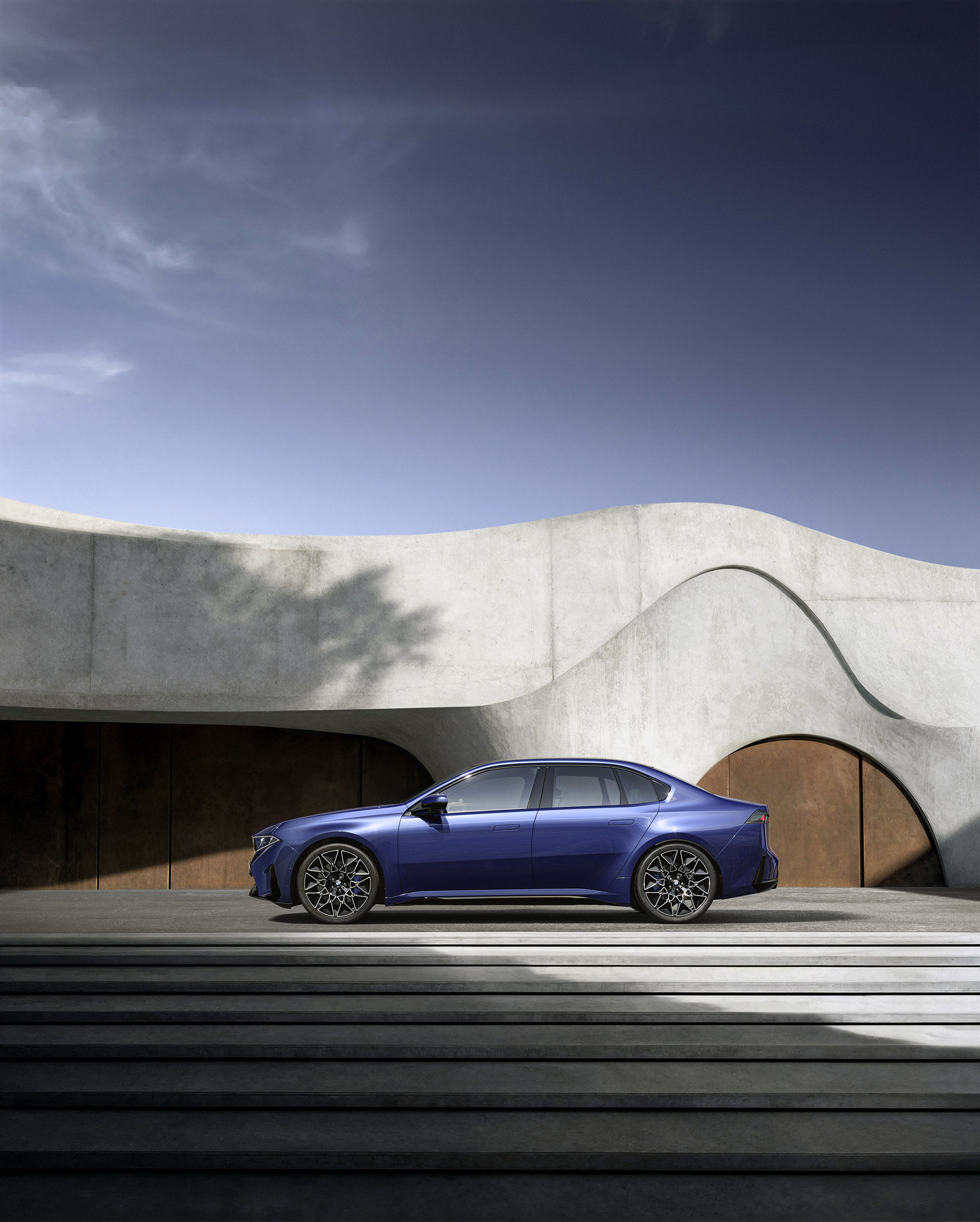
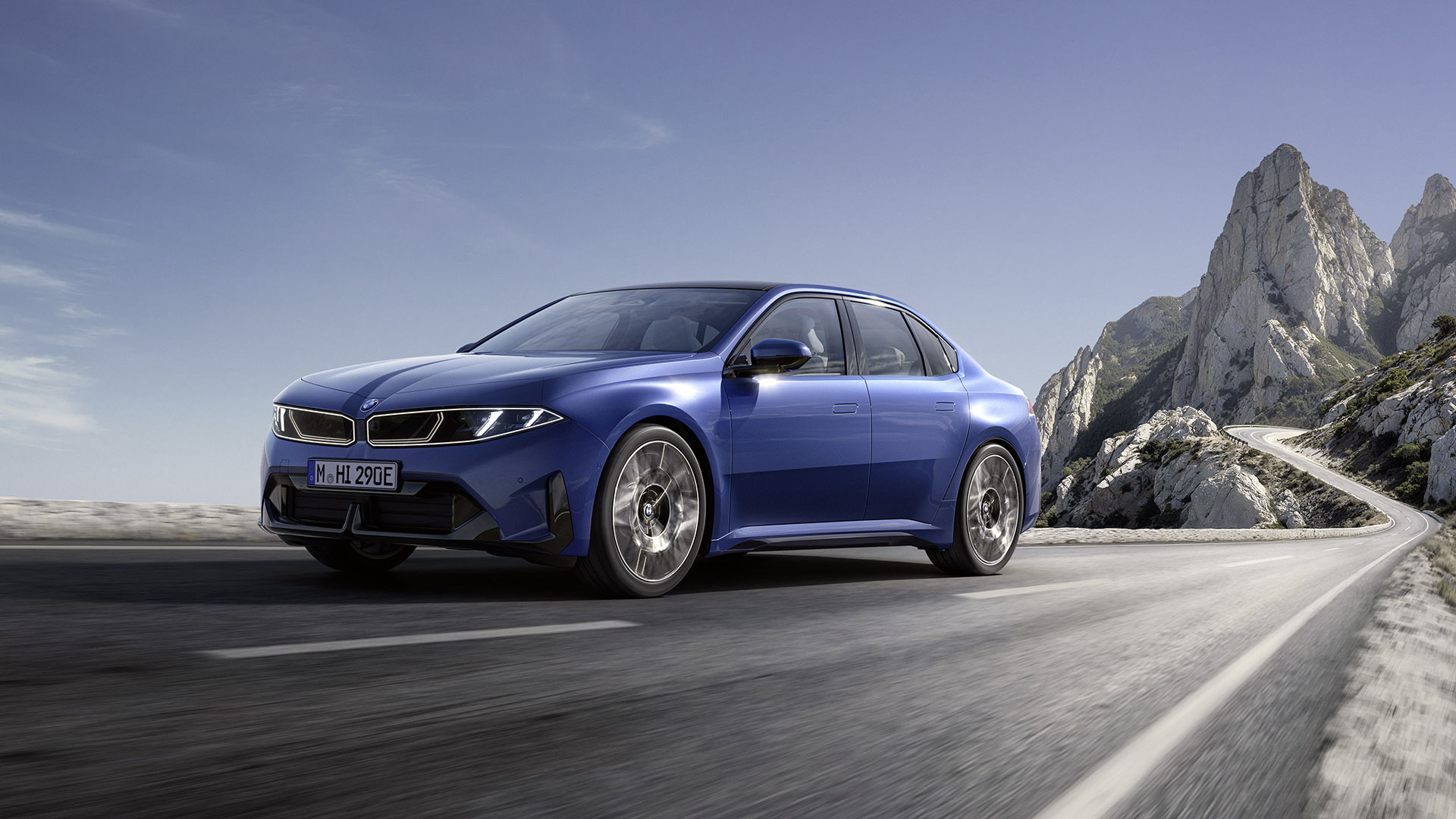
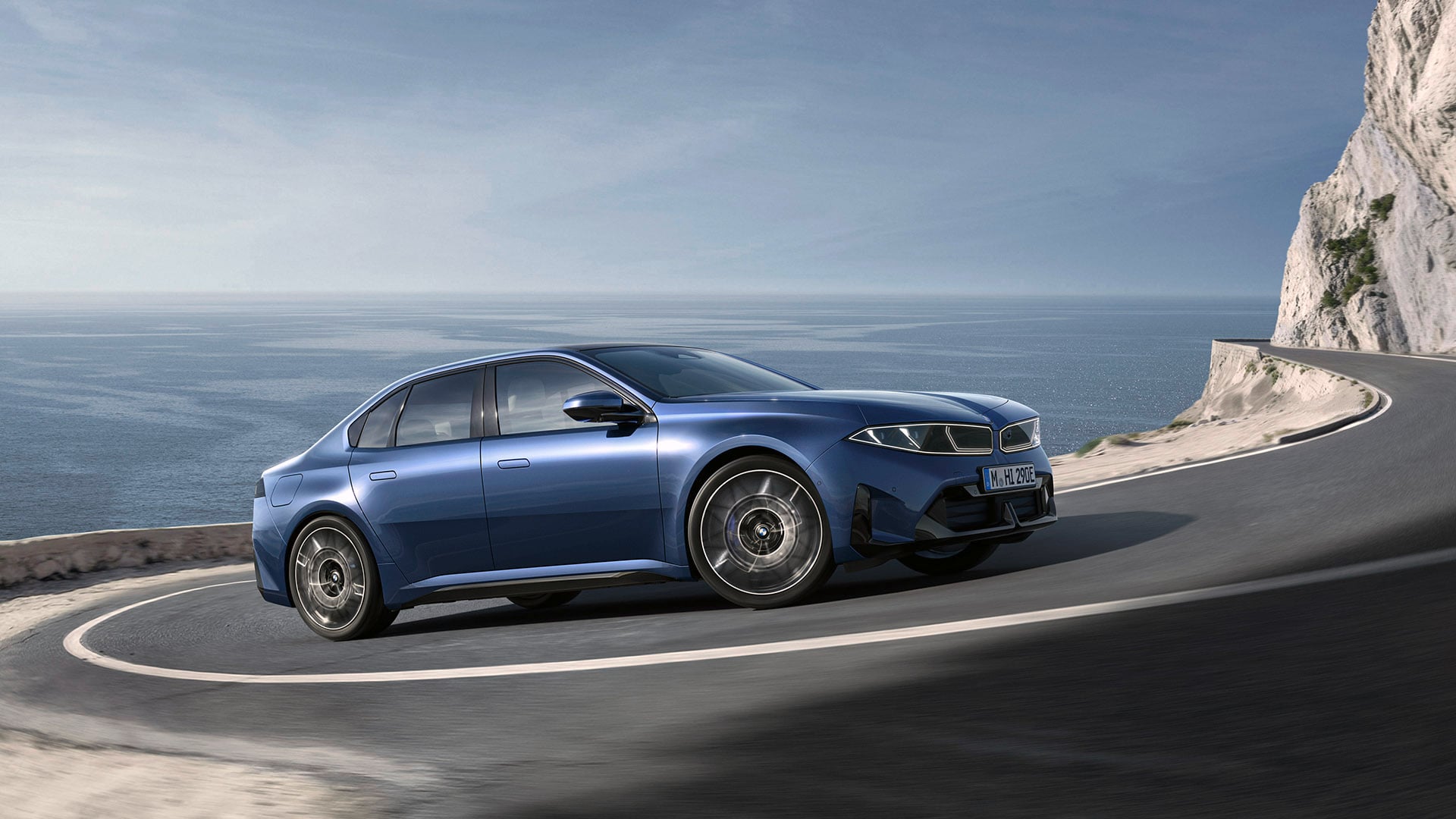
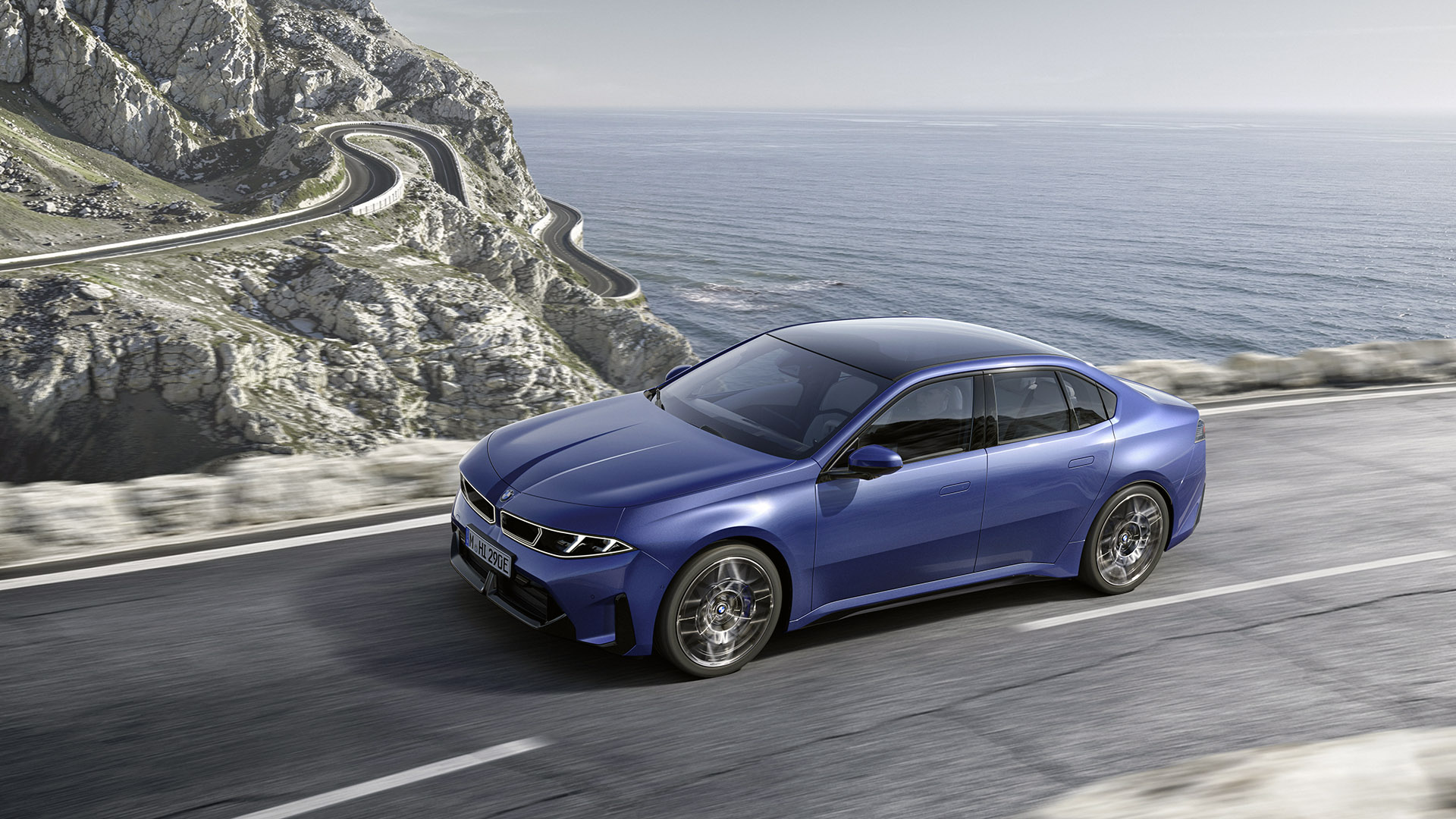
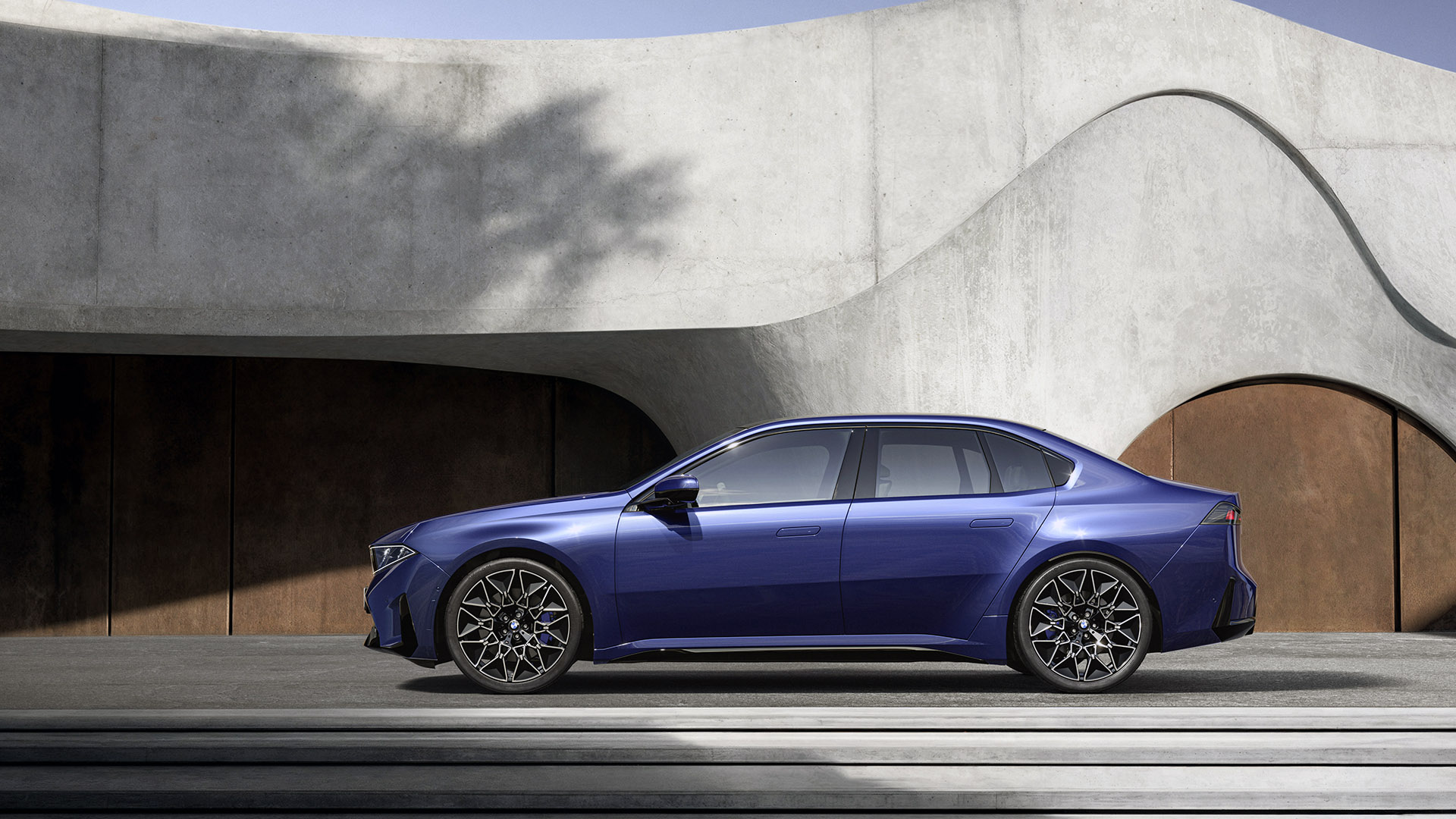
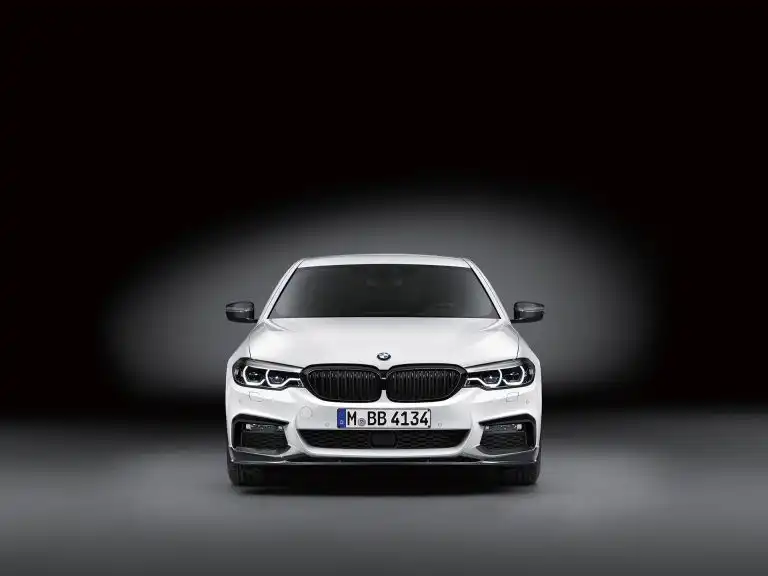
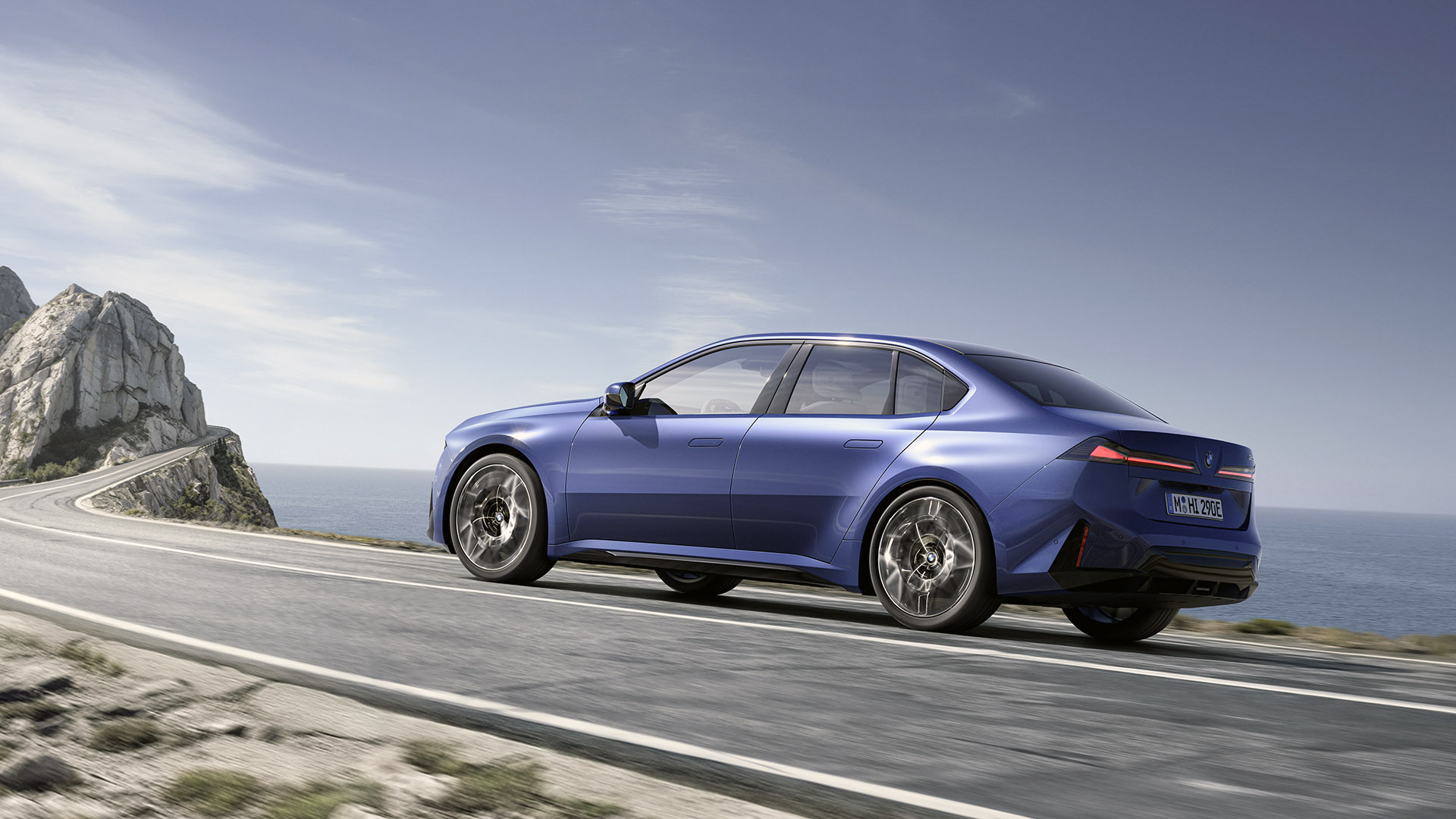
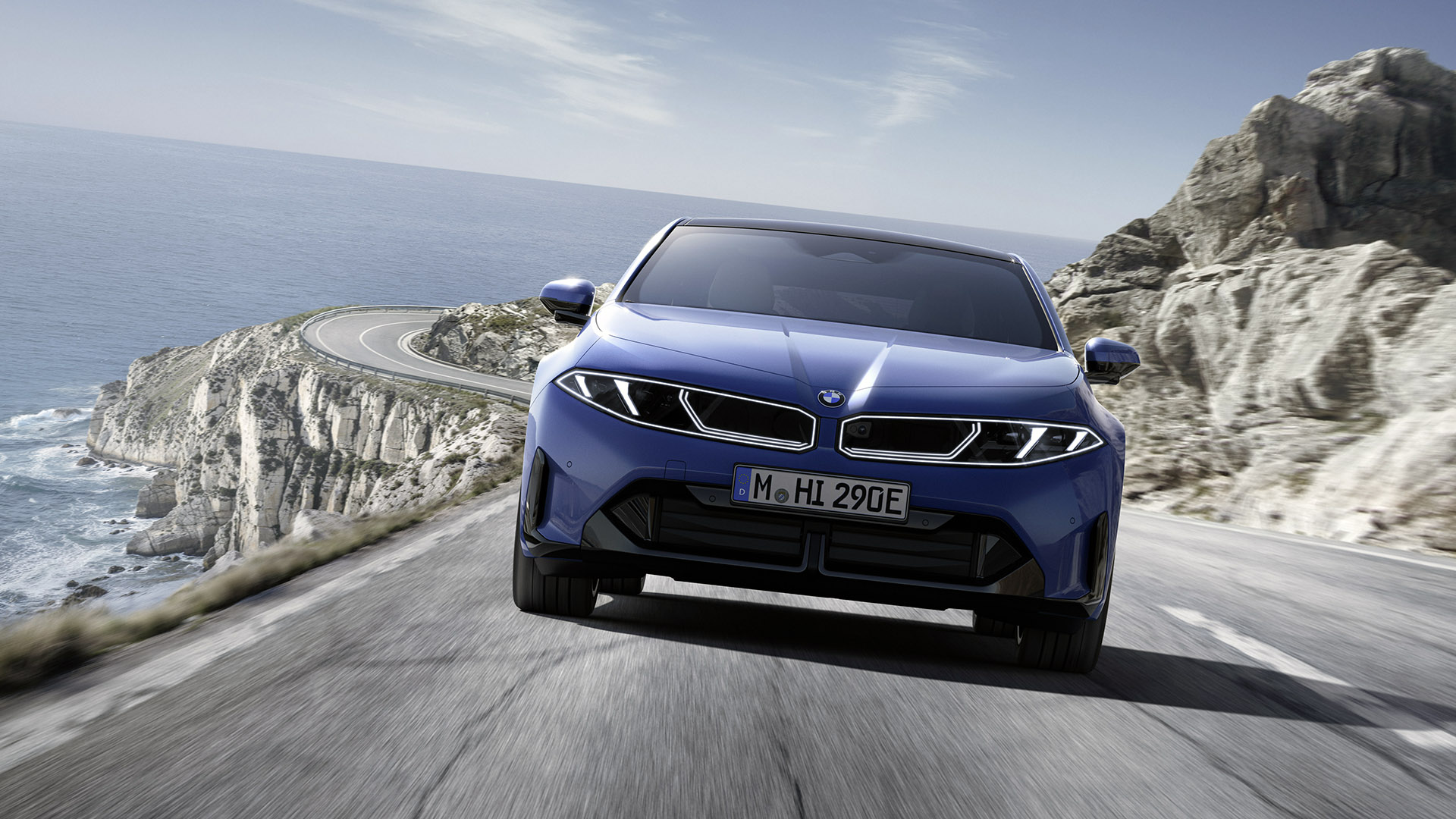
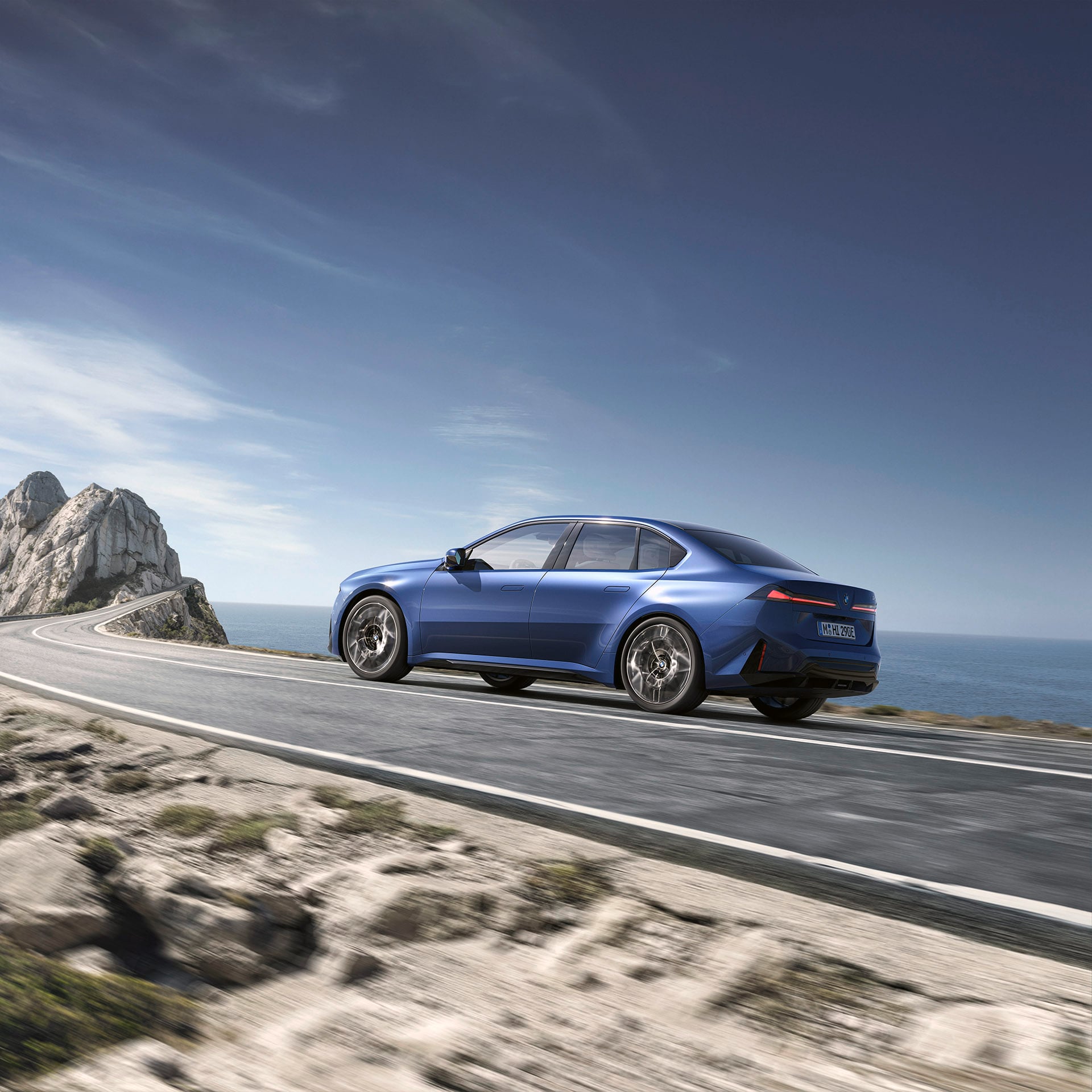
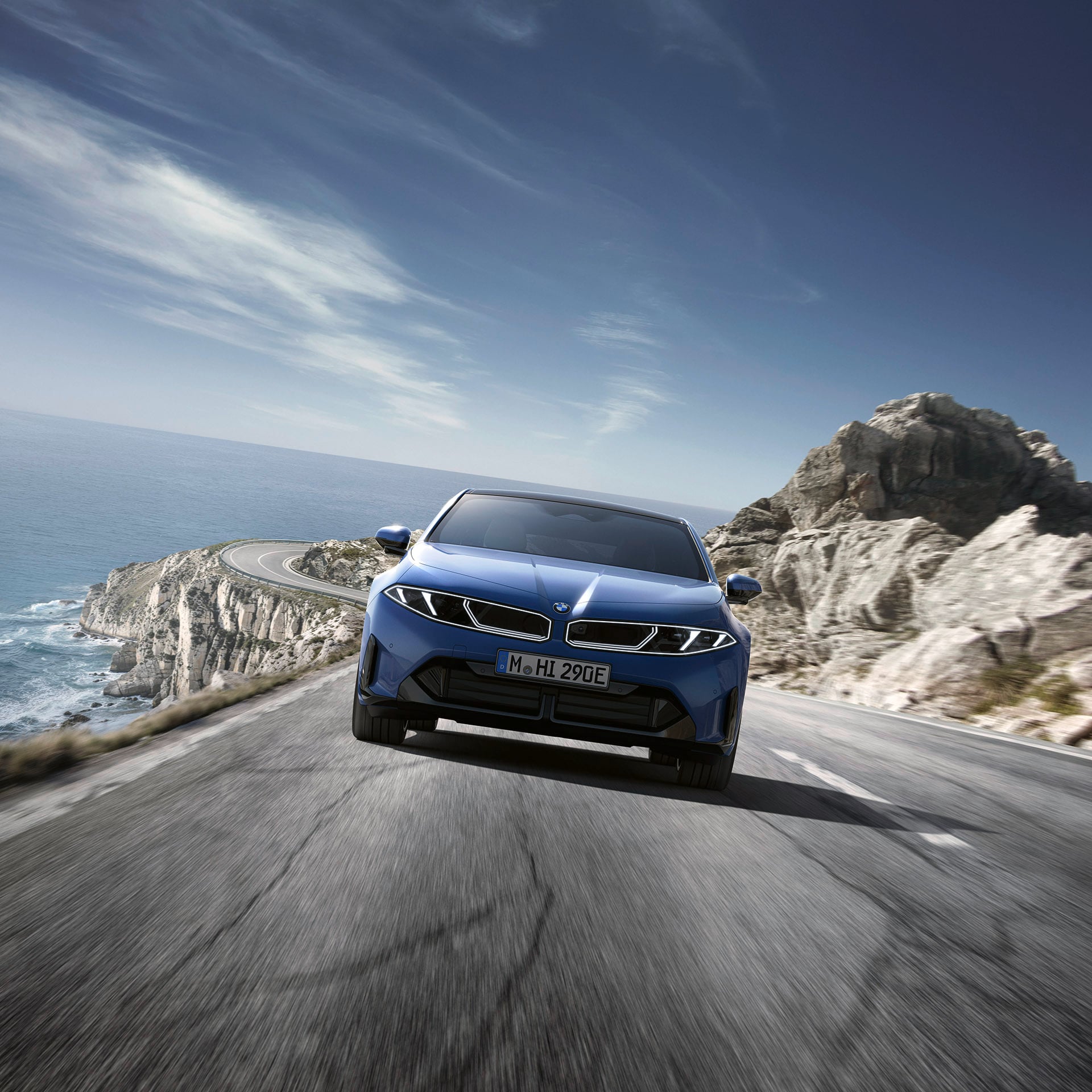
The i3 keeps the classic BMW 2.5-box silhouette: long wheelbase, short overhangs, greenhouse set back from the shoulders. It reads as a 3 Series immediately, which was clearly the goal. The new front end merges the kidney grille and twin headlights into a single visual element that spans nearly the full width of the car. BMW calls it a “geometry and light” unit. The four-eyed face is still there, just reinterpreted.
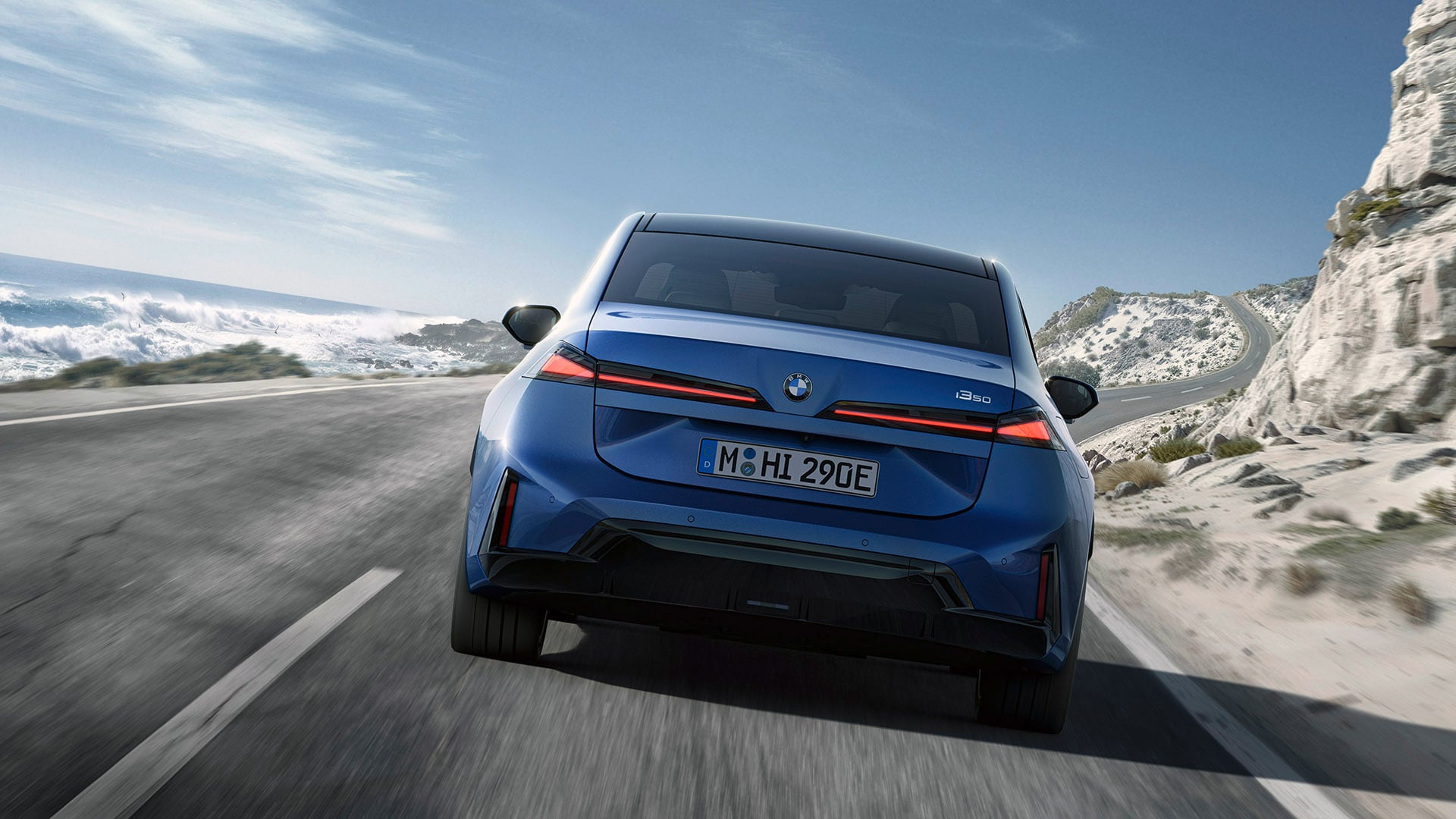
Flared wheel arches emphasize the wide stance. Flush door handles extend automatically via Digital Key Plus proximity. At the rear, the horizontal light signature extends into the prominent shoulders, reinterpreting the classic L-shaped BMW taillights in a more abstract, layered form. Eleven exterior colors are available at launch, with M Le Castellet Blue metallic as the new exclusive option. The optional Iconic Glow package adds three selectable lighting animations to the front grille.
Inside, the main event is the BMW Panoramic iDrive system. The Panoramic Vision projects information across the full width of the lower windscreen, A-pillar to A-pillar, replacing the traditional instrument cluster. The steering wheel is completely redesigned, featuring a center spoke at the top and multifunction buttons with a Shy Tech approach (buttons illuminate only when the function is available). The central display is a 17.9-inch Free-Cut Design unit with matrix backlight and a resolution of 3,340 x 1,440 pixels. An optional 3D head-up display overlays the Panoramic Vision with navigation and assistance data.
BMW Operating System X, based on the Android Open Source Project, handles the software layer and supports over-the-air updates. Amazon Alexa+ is integrated into the BMW Intelligent Personal Assistant. Up to seven BMW IDs can be registered to one car, each with individual settings, seat positions, display preferences, and navigation history.
Production and Pricing
The BMW i3 will be built at BMW’s home plant in Munich, with production starting in August 2026 and first deliveries expected in autumn 2026. Pricing has not been officially confirmed for the US market at the time of writing. Given the positioning against the Tesla Model 3 Long Range and the Mercedes EQE, expect the i3 50 xDrive to land somewhere in the $60,000 to $70,000 range before options, though BMW has been known to price aggressively when they want a segment win.
Verdict
The BMW i3 is what the electric 3 Series should have been from the start: a purpose-built EV with real engineering substance, not an adapted combustion platform. The combination of 800-volt architecture, 440-mile range, 400-kW DC charging, and a genuinely evolved drivetrain puts it on a level most rivals haven’t reached yet. The design evolution is confident without being radical. And if the Heart of Joy delivers the dynamic feel BMW is promising, this could be the first EV from Munich that actually feels like a driver’s car. Worth watching when deliveries start this autumn.
Grab a detailed look at the 2026 BMW i3 in the media gallery below.