Analysts now expect Tesla to report roughly 406,024 deliveries for the second quarter of 2026, alongside an estimated 13.8 GWh of energy storage deployments. On paper, that is a healthy number and a sequential jump over the first quarter. But the more interesting story is not the figure itself. It is how little the figure seems to move the needle anymore.
A Number That Would Have Once Dominated the Headlines
There was a time when a Tesla delivery report was the single most scrutinized data point in the EV world. Every analyst, every retail investor, every skeptic parsed the quarterly count like it was scripture. Beat expectations and the stock ran. Miss them and the bears came out swinging. That gravitational pull has faded, and the Q2 consensus is the clearest evidence yet.
The estimate was pulled together from a wide field of banks and research shops, including Goldman Sachs, Morgan Stanley, Wedbush, Barclays, Bank of America, JPMorgan, UBS, Jefferies, and well over a dozen more. That is a deep bench of analysts arriving at a tight consensus, and yet the broader conversation around Tesla has clearly shifted to other things entirely.
The Theory This Confirms
For years, Tesla carried a simple label: car company. Sell more cars, grow the business, repeat. The trouble is that the growth-at-all-costs delivery narrative ran into a wall. Tesla peaked at 1.81 million annual deliveries in 2023, and in each of the two years since, the company reported a decline over the full twelve-month period. That is two consecutive years of shrinking volume from a company that built its entire mythology on hockey-stick growth.
So the narrative evolved. Tesla is now positioned as an energy, AI, and autonomy player that happens to also build cars. Some will call that convenient, a tidy reframing that just so happens to arrive right as delivery growth stalls. Others will call it the natural maturation of a company that has genuinely diversified. Both readings have merit, and the Q2 consensus sits right in the middle of that debate.
Q1 Set the Tone
The first quarter of 2026 was a preview of this dynamic. Tesla delivered 358,023 vehicles, a 6.3 percent improvement over the same quarter a year earlier. Under the old framework, year-over-year growth would have been a clear win. Instead, the number landed below Wall Street’s 365,000 to 370,000 range, and the market mostly shrugged. The delivery miss simply did not carry the weight it once would have.
That muted reaction tells you everything about where investor attention has migrated. A slight beat or a slight miss on deliveries is no longer the headline event. It is becoming a footnote to the bigger story.
Robotaxi Is the New Center of Gravity
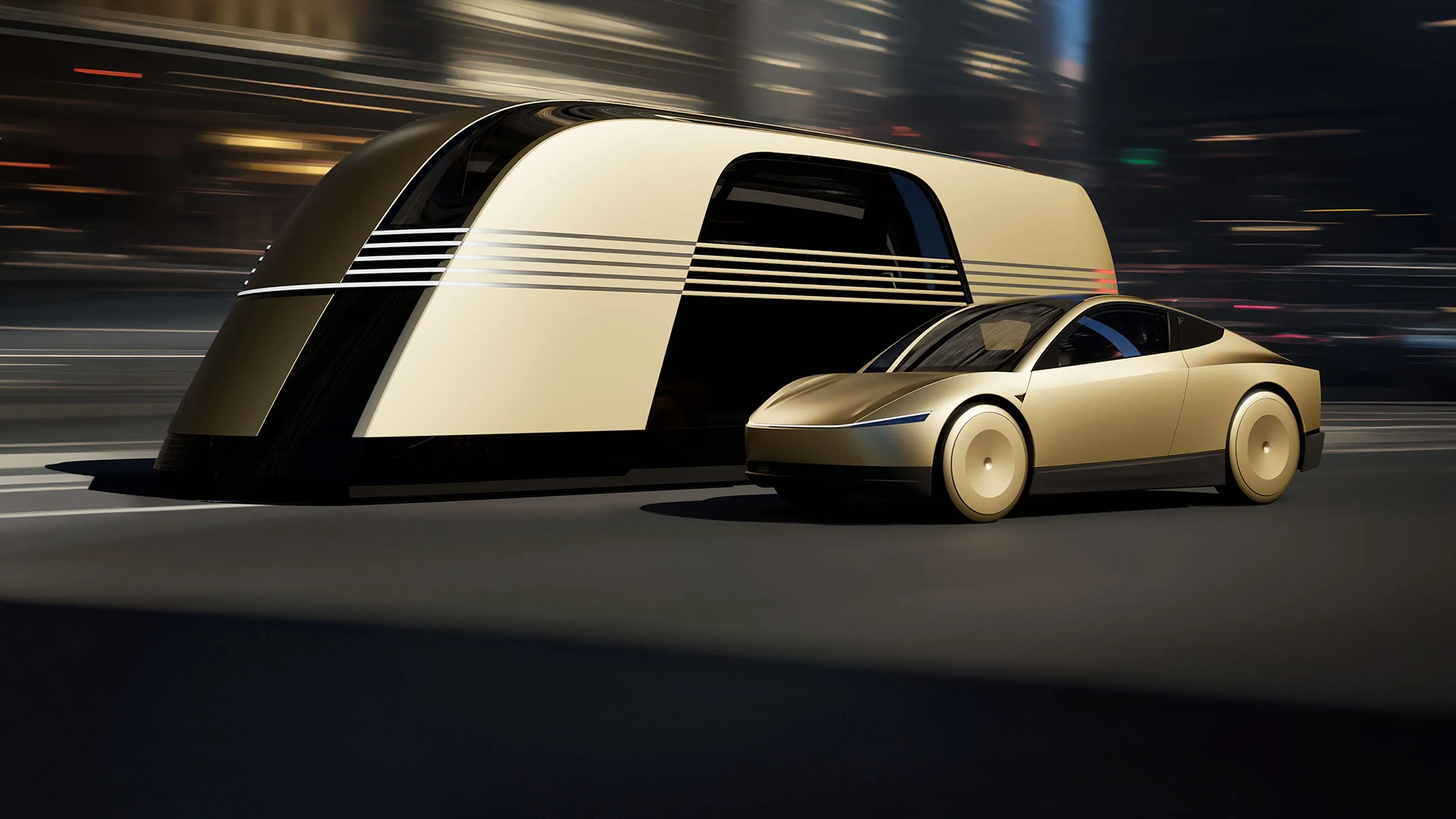
The bigger story, of course, is autonomy. Tesla’s Robotaxi project has effectively taken priority over nearly every other initiative in the company. Investors and the public are now far more focused on how many vehicles enter the driverless fleet, how well the ride-hailing service operates, and how quickly the program expands into new cities than they are on quarterly delivery tallies.
This is the payoff of a deliberate strategic pivot. Tesla wants to turn transportation into a service, running a ride-hailing network on its Full Self-Driving suite. Once unsupervised operation rolls out at scale, the company is betting that the billions of real-world miles it has logged become the asset that matters, not the raw count of cars handed over to customers each quarter. The Cybercab, already in production, is the physical centerpiece of that bet.
The Bottom Line
Here is the honest read. The narrative shift is real, but it is not a free pass. Tesla still sells vehicles by the hundreds of thousands every quarter, and that automotive business remains the engine that funds everything else. Deliveries have to keep flowing, and they have to keep investors satisfied while the autonomy story plays out. A company cannot simply declare that deliveries no longer matter and expect the market to fund a multi-year robotaxi vision on faith alone.
What the Q2 consensus really confirms is that Tesla has succeeded at something most automakers never manage: it has rewired how the market values it. A 406,024-unit quarter is solid, but the stock no longer lives or dies on that number. Whether that is brilliant repositioning or a convenient escape from stalled growth depends on whether the Robotaxi promise actually delivers. For now, Tesla has bought itself room to find out.
Source: Teslarati