Lamborghini has always known how to make a statement, but the Few Off Roadster series sits in a category entirely its own. We’re talking about cars produced in single-digit or low double-digit numbers, each pairing an open-top body with a screaming naturally aspirated V12, and each marking a genuine milestone in the brand’s history. Four models define this lineage: the Reventón Roadster, the Veneno Roadster, the Centenario Roadster, and the Sián Roadster. Together, they tell the story of how Lamborghini thinks about exclusivity, technology and the pure theatre of driving.
Where It All Started: The Miura Roadster and the Reventón
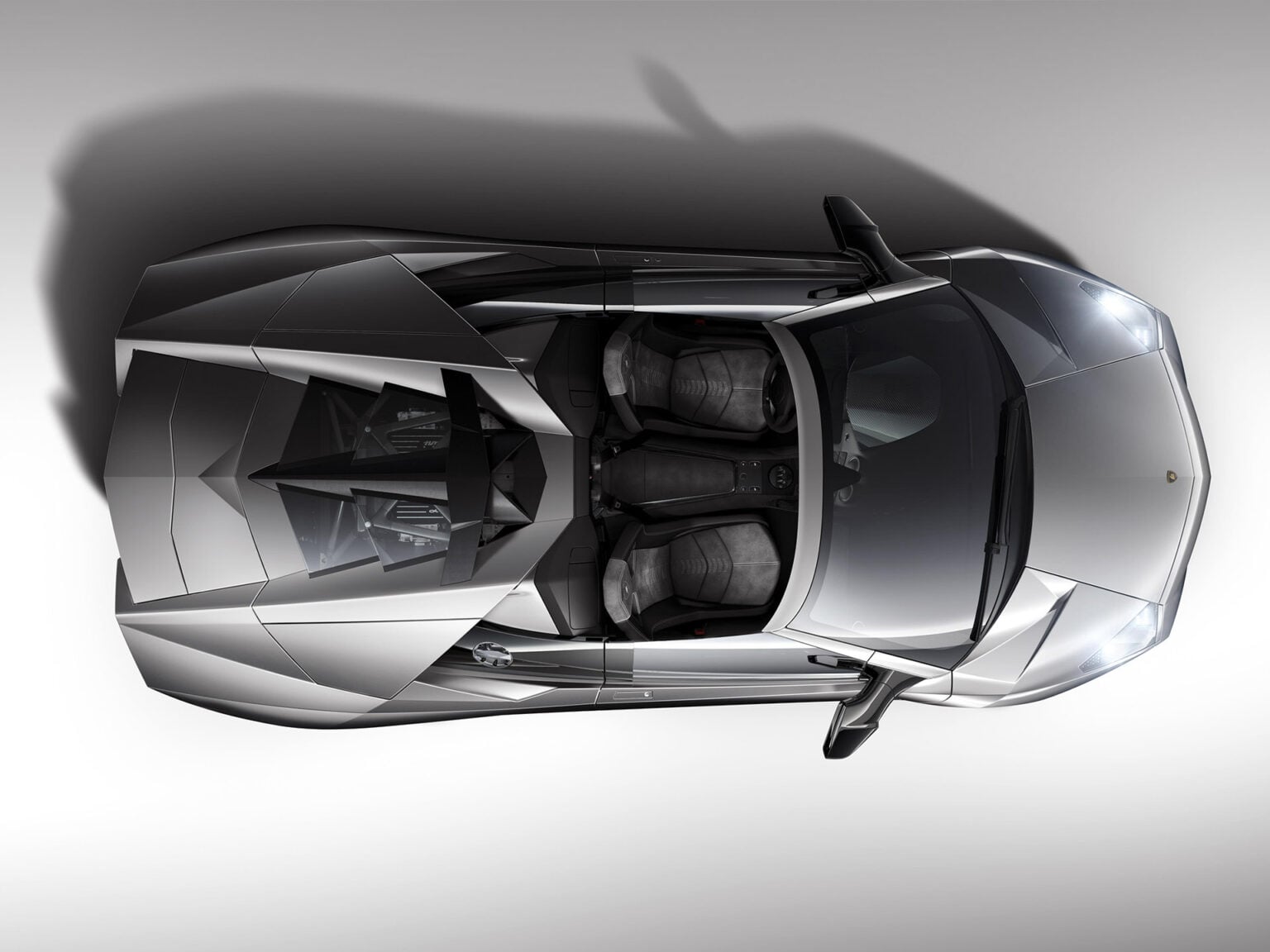
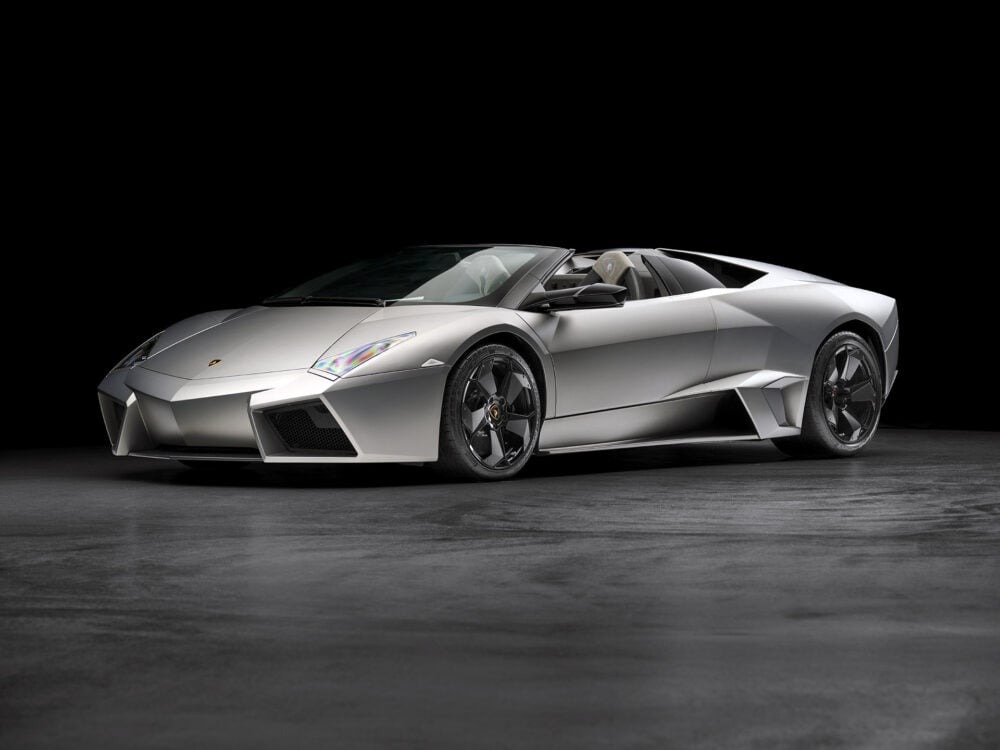
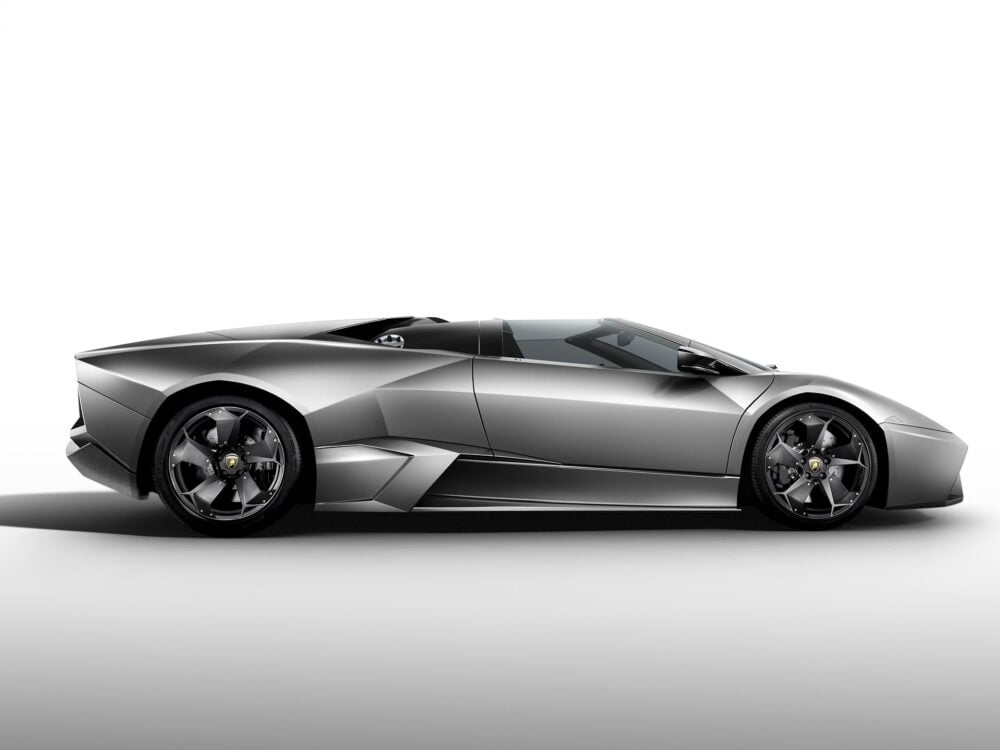
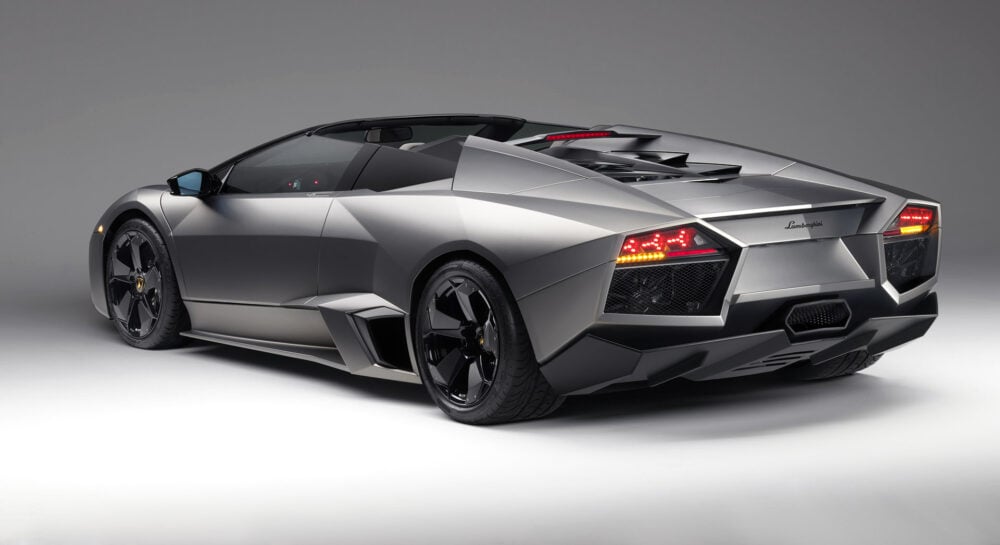
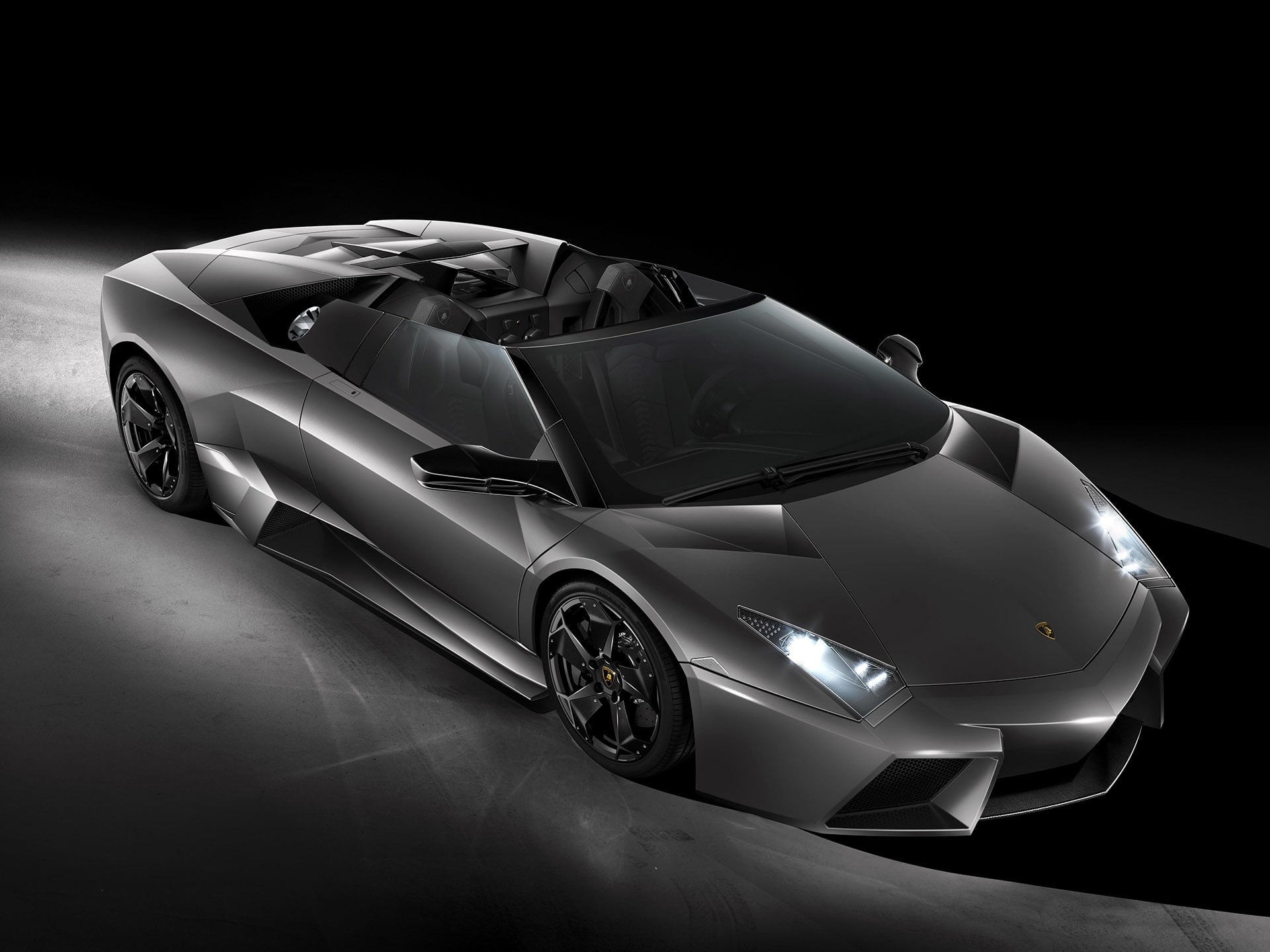
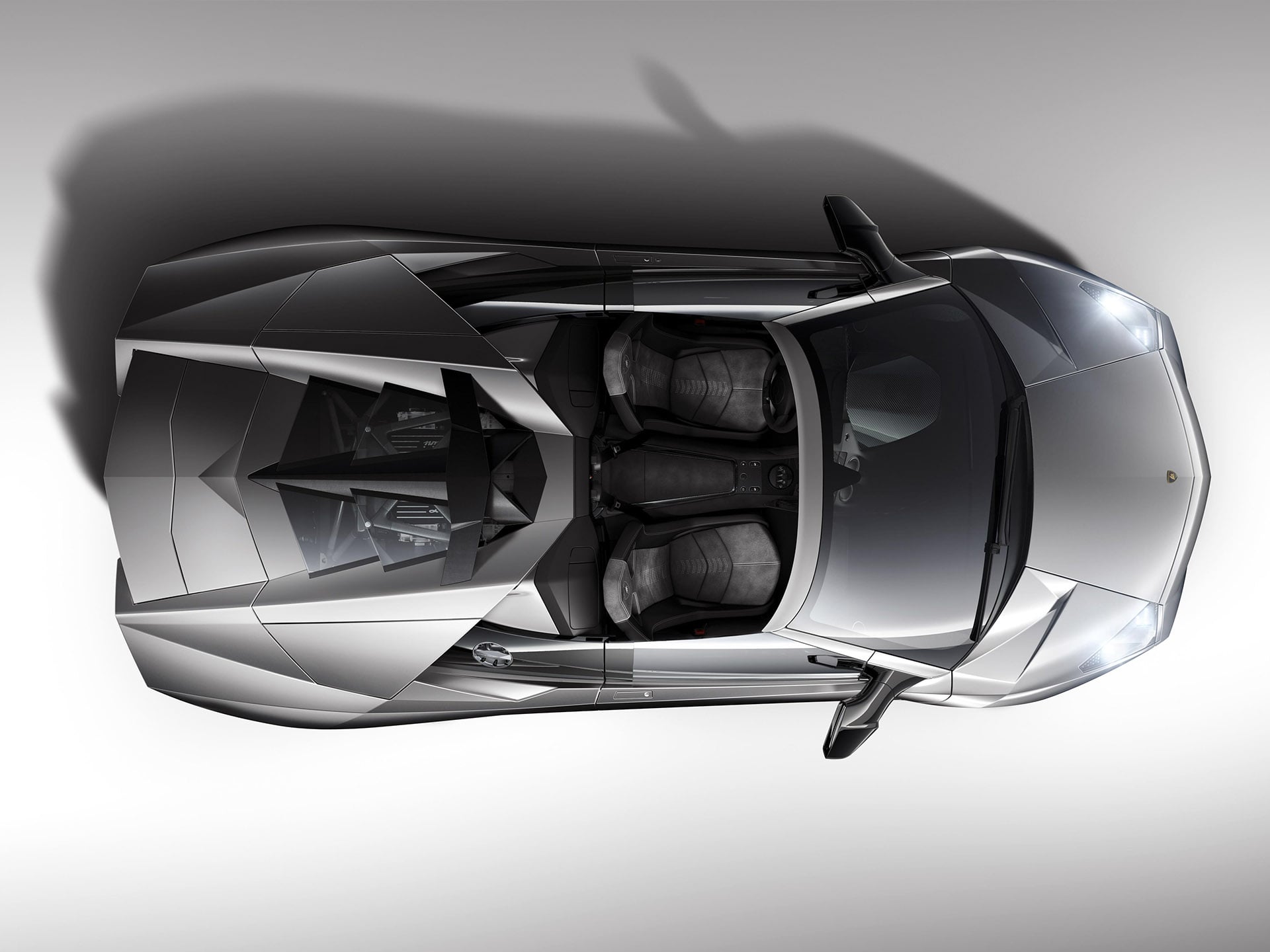
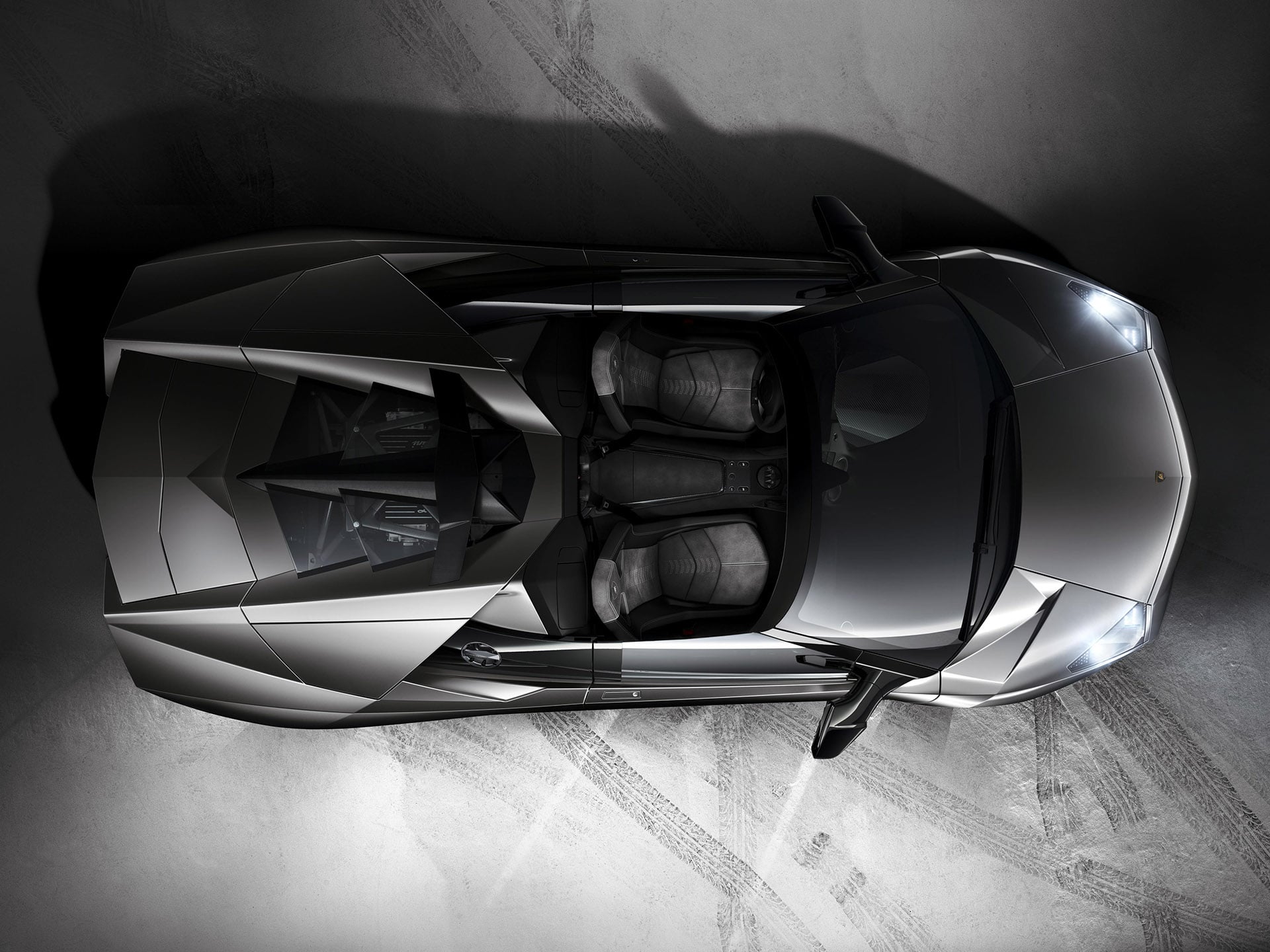
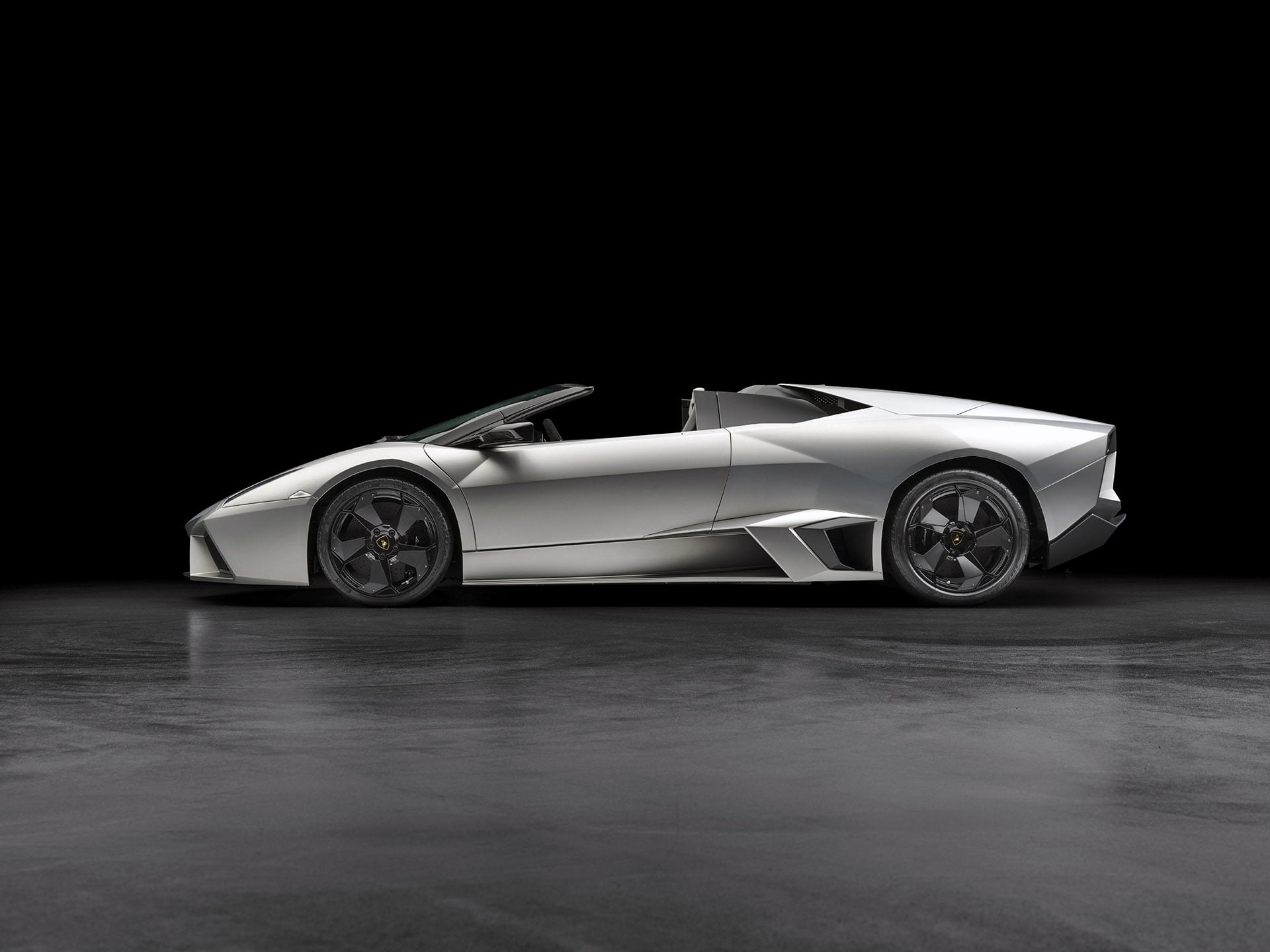
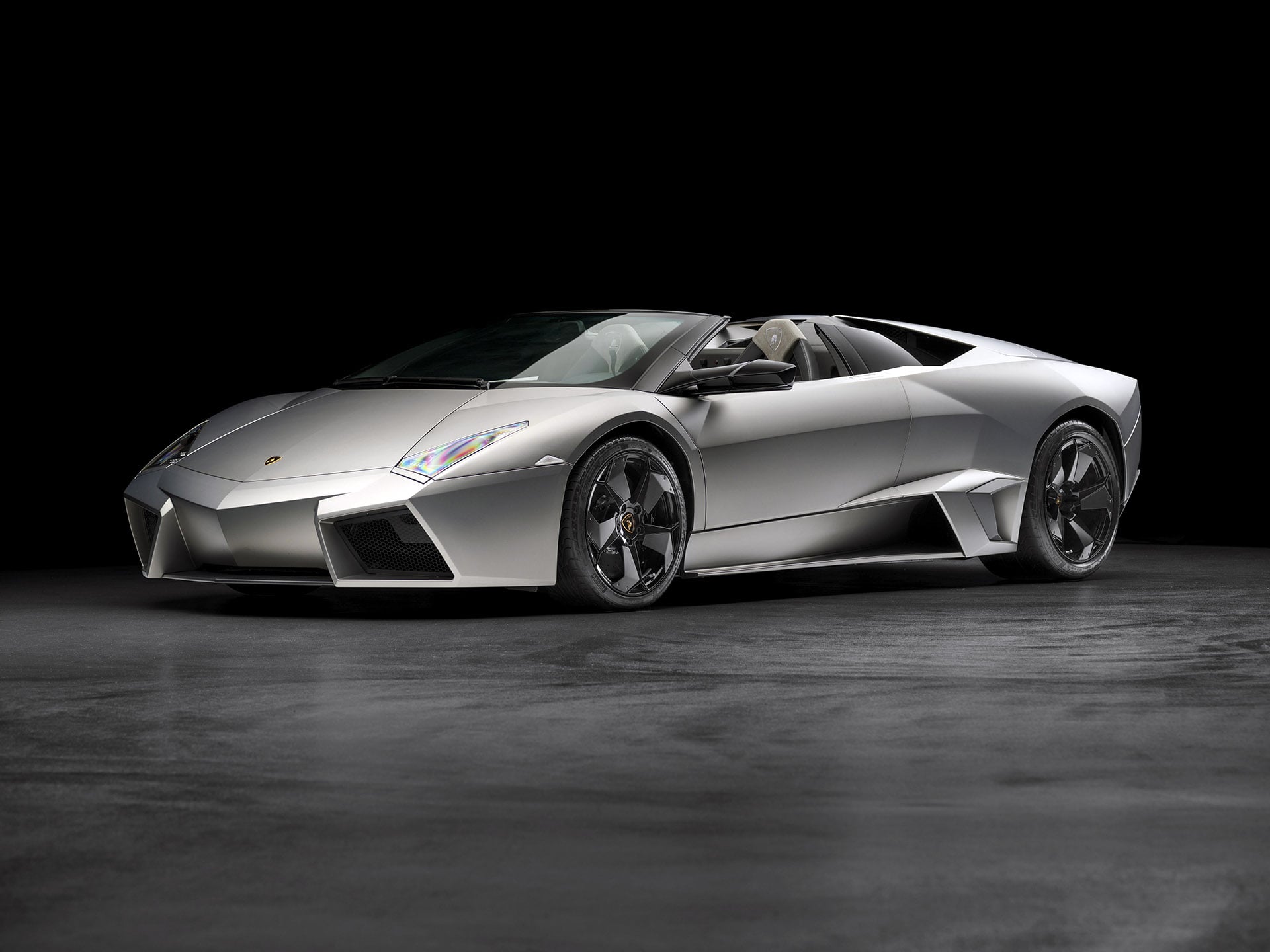
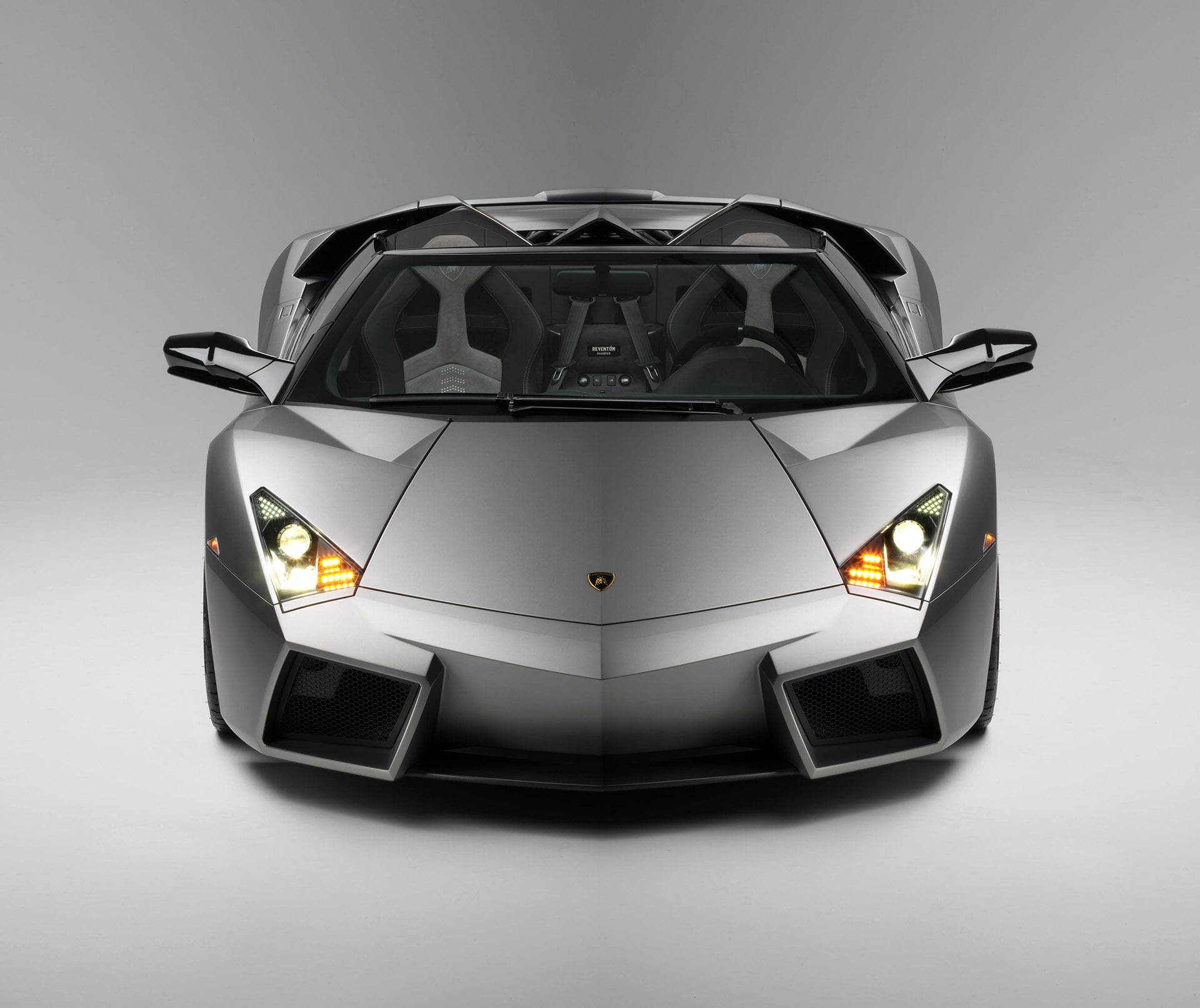
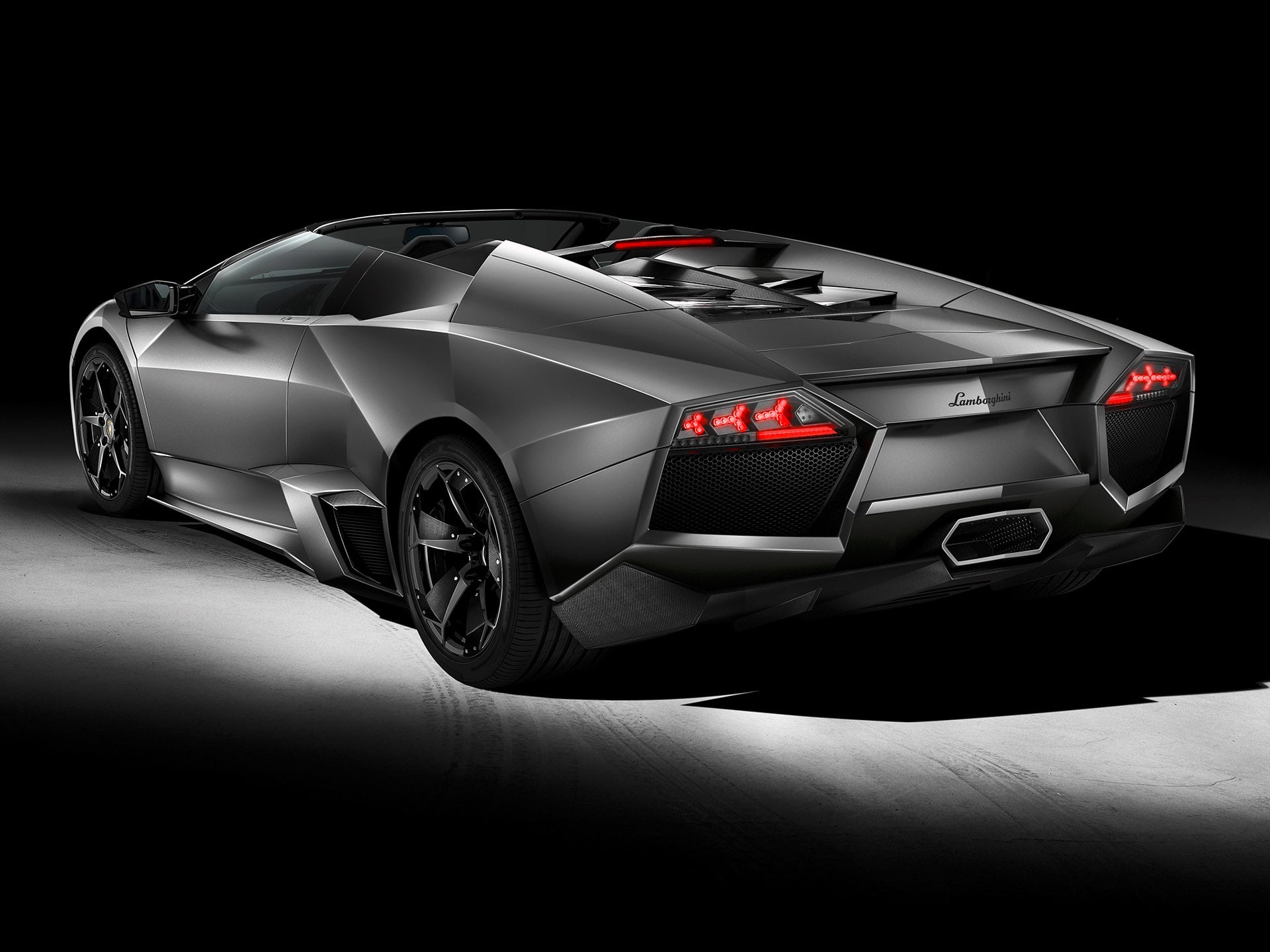
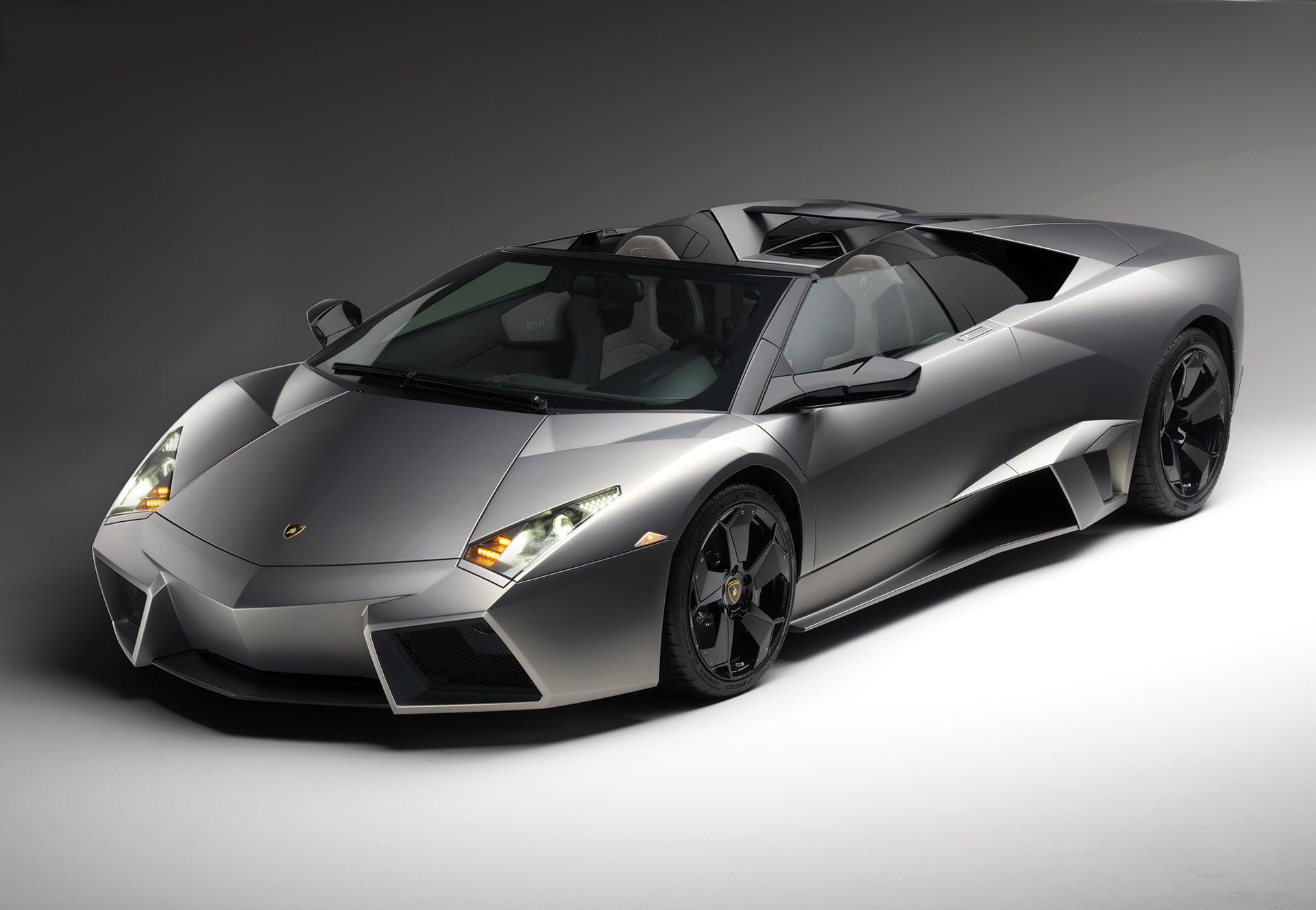
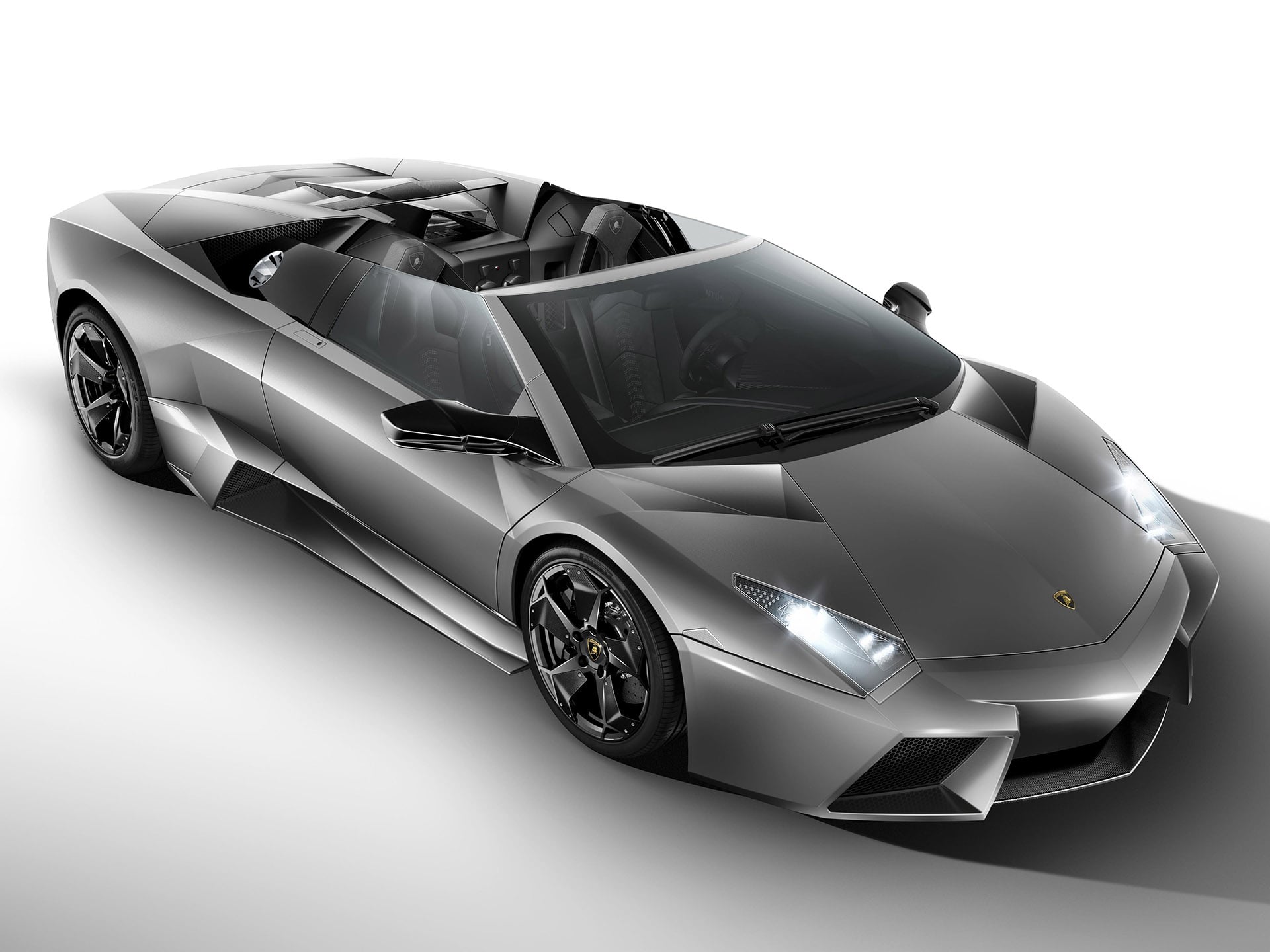
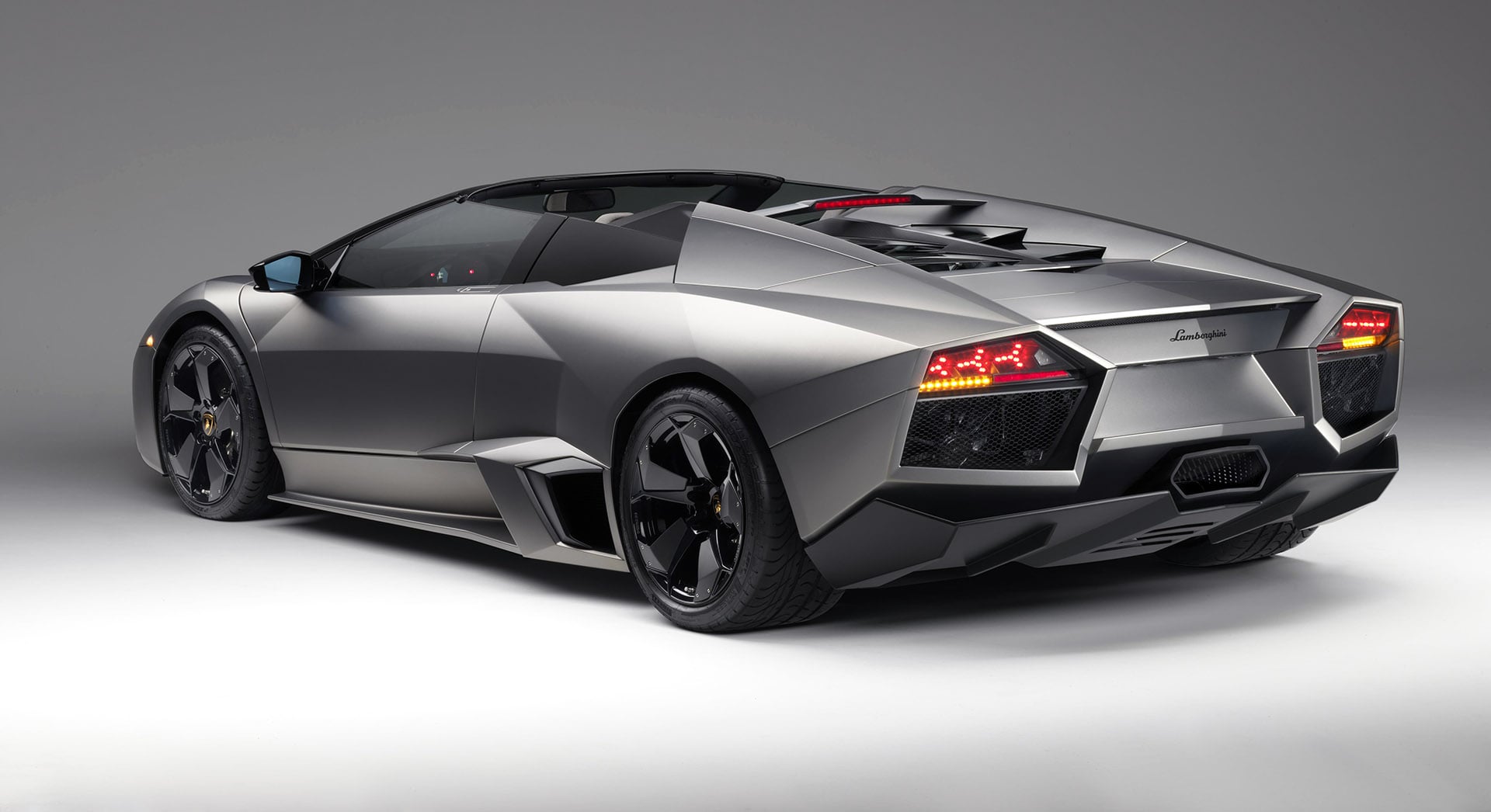
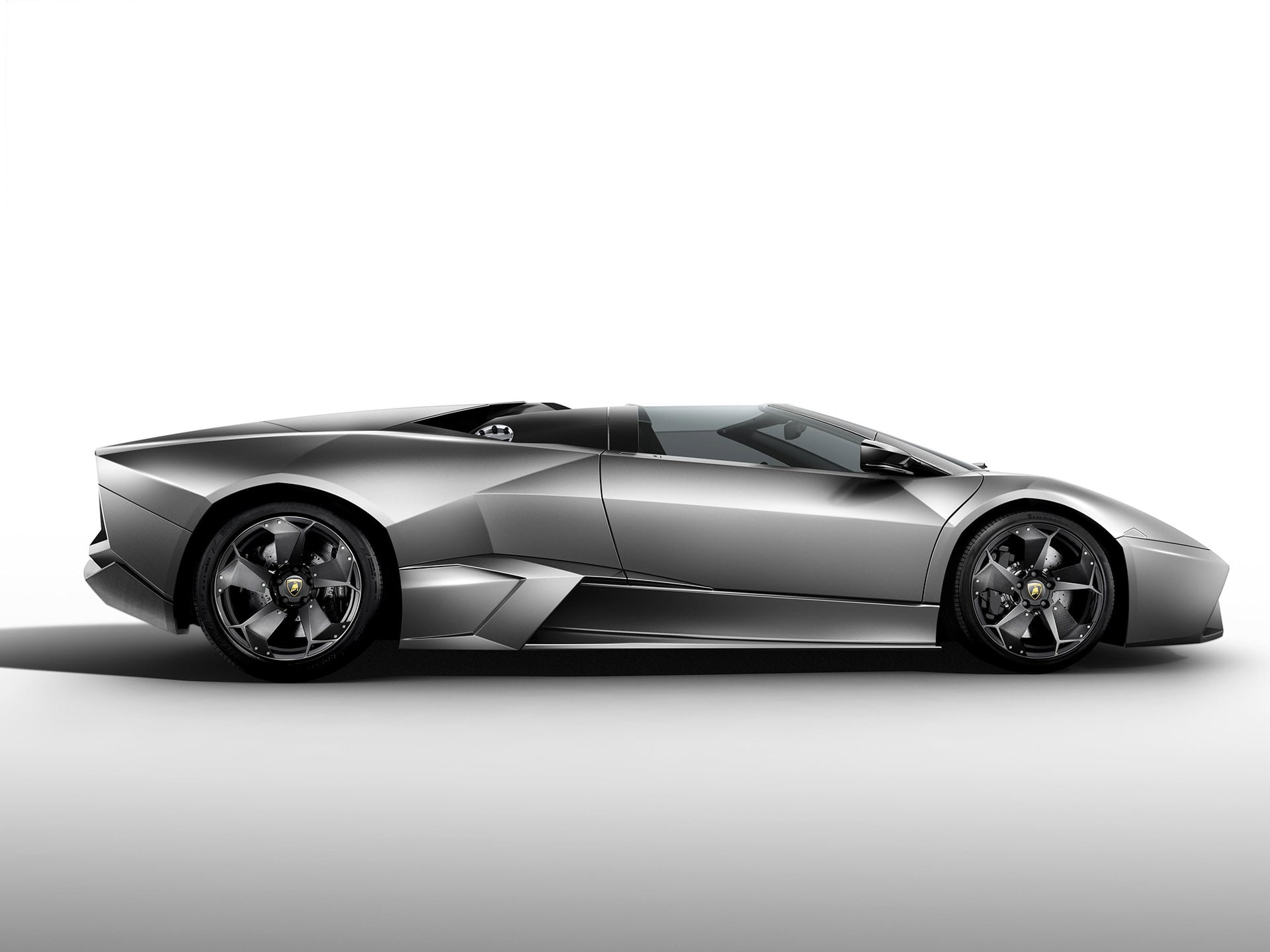
The philosophical roots go back to 1968, and the one-off Miura Roadster, a Bertone creation that showed open-top V12 Lamborghinis were possible. But the modern Few Off Roadster era only really began in 2009 with the Reventón Roadster, and it arrived with a very clear message: this is not a convertible, it’s a supercar with its roof removed and its ambitions intact.
Only 15 units were built, alongside 20 coupés. The fighter-jet design language was radical even by Lamborghini’s standards, with angular bodywork, carbon fibre reinforced polymer panels, and a hybrid chassis combining steel and CFRP reinforcements. Under the engine cover sat a 6.5-litre naturally aspirated V12 producing 650 CV, capable of reaching 100 km/h from rest in 3.4 seconds and topping out above 340 km/h. Perhaps its most underrated achievement: the Reventón Roadster was the first Lamborghini to use a fully digital instrument cluster with three LCD displays, a detail that felt genuinely futuristic at the time.
Veneno Roadster: Nine Cars, Zero Compromises
Five years later, Lamborghini raised the stakes considerably. The Veneno Roadster, presented in 2014, was limited to just nine units, making it one of the rarest road-legal cars ever sold. Its coupé sibling had been built to mark the brand’s 50th anniversary; the roadster took that celebration and stripped away as much bodywork as it could.
The Veneno Roadster was a rolling aerodynamics exercise inspired by racing prototypes. Large wings, exposed aerodynamic elements and extensive carbon fibre gave it a presence that was more race car than road car. The same 6.5-litre V12 returned, now producing 750 CV, and the results were immediate: 0 to 100 km/h in 2.8 seconds, top speed of 355 km/h. Lamborghini also introduced Carbon Skin® on this car, a patented material used for interior surfaces such as the dashboard and seat upholstery. Driving one with the sky open above you and 750 CV screaming behind your head remains one of the more extreme experiences any modern car can offer.

Centenario Roadster: A Birthday Present for Ferruccio
The Centenario Roadster arrived in 2016 as a tribute to Ferruccio Lamborghini, marking the 100th anniversary of the founder’s birth. Twenty units were produced, each one balancing aggressive design with genuine technical ambition. The naturally aspirated V12 grew to 770 CV, matching the Veneno’s 0 to 100 km/h sprint time of 2.8 seconds while pushing the top speed to over 350 km/h.
Beyond its raw performance, the Centenario Roadster introduced two noteworthy features. The first was a central infotainment touchscreen, a then-new direction for Lamborghini’s interior design. The second was rear-wheel steering, a system that sharpens low-speed manoeuvrability and improves stability at high speed by adjusting the rear wheel angle relative to vehicle speed. Both technologies would later appear in future Lamborghini production models, which is how you know they worked.
Sián Roadster: The Last Pure V12 Few Off, and the First Electrified One
The Sián Roadster, revealed in 2020 and limited to just 19 units, marks the end of one era and the beginning of another simultaneously. It was the first Few Off roadster to combine the V12 with hybrid technology, but it did so in a way that stayed true to the character of everything that came before it.
The 6.5-liter V12 was paired with a 48-volt electric motor integrated directly into the gearbox, delivering a combined output of 819 CV. The electric component doesn’t change the fundamental experience; Lamborghini was clear that the goal was performance enhancement, not electric range or efficiency. What it gives you is instant torque fill, faster responses and a combined output that no naturally aspirated Lamborghini had reached before. With 819 CV in an open-top car and no roof between you and the sound of that engine, the Sián Roadster represents about as intense a driving experience as exists in modern automotive production.
What This Lineage Actually Means
Looking at all four models together, a few things stand out. The production numbers are almost absurdly small: 15 units, 9 units, 20 units, 19 units. Each one introduced technology that either pushed the brand forward or previewed what was coming in mainstream production. And every single one is powered by a large-displacement naturally aspirated V12, a configuration that the wider automotive industry has been abandoning for years.
That last point matters. Lamborghini has spent the better part of fifteen years being one of the last serious defenders of naturally aspirated V12 performance, and the Few Off Roadsters are where that commitment gets expressed at its most extreme. No turbos, no downsizing, no apologies. The Sián added electrification but kept the V12 at the centre of the experience, which says everything about Lamborghini’s priorities.
If you want to understand what Lamborghini thinks a supercar should feel like, stripped to its essential elements with the roof gone and a V12 making noise a few centimetres behind your head, the Few Off Roadsters are the clearest answer the brand has ever given.
Source: Lamborghini