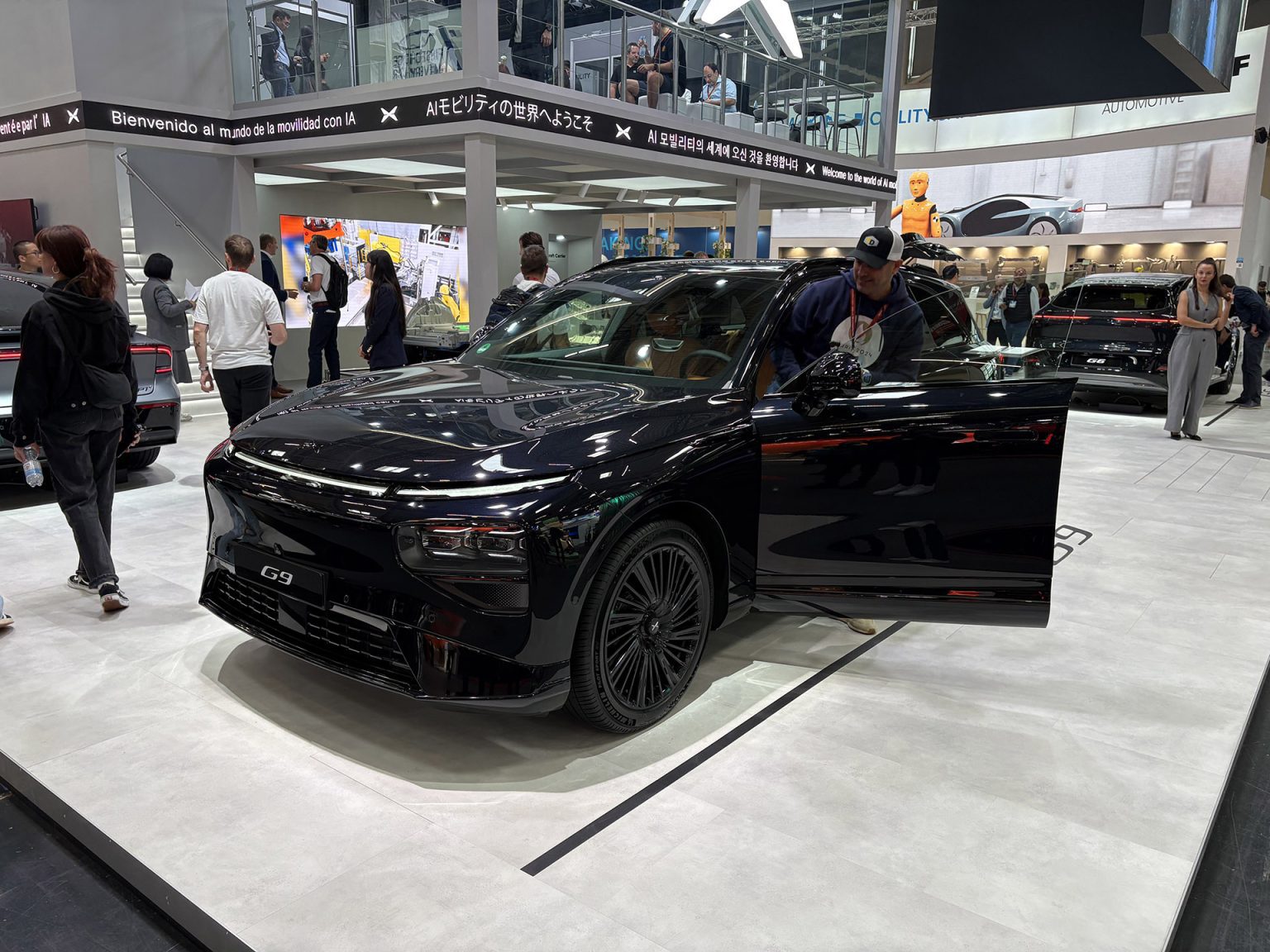
The European car industry finds itself in a dangerous position, one it hasn’t faced in over half a century. For decades, BMW, Mercedes, Audi, and Volkswagen defined not only the standard of luxury and engineering, but also the very idea of premium automotive quality. Yet, the tech level of European offerings now feels one to two generations behind that of the Chinese. While the Germans are struggling to roll out competent infotainment systems and half-decent EV platforms, Chinese brands are already integrating cutting-edge driver assistance, AI-based features, and seamless digital ecosystems that make European dashboards look clunky and outdated. The gap is evident to anyone who sits in both.
Chinese Cars Look Ahead, Not Back
When it comes to technology, Chinese automakers do not just appear advanced; they look like they are designing cars for the next decade while Europe is still iterating on the past one. From augmented reality HUDs to in-car voice assistants that actually work, Chinese cars feel futuristic in ways the German marques do not. It is not just about gadgets either. Features such as battery technology, charging speeds, and vehicle-to-grid capabilities are being introduced first in Chinese models. At the same time, BMW and Mercedes still rely heavily on outdated platforms or half-hearted EV adaptations of their combustion cars.
Yes, we are talking about the idea that sitting half ass cheek on ICE and half ass cheek on EV platforms is a good one. It clearly is not. It has that distinct feeling of an overwhelming lack of ideas from German carmakers on what actually to do, juggling internal issues like a manpower surplus in ICE engine and equipment manufacturing, and the lack of a solution to retrain and retool those employees in a way that won’t harm the economy overall. However, if this continues, the German industry is seemingly headed to a hard awakening and a future where it might end up flat on its ass, where a wealthy external business might buy the brands, like Geely did with Volvo, keeping only a skeleton industrial and manufacturing capacity in Sweden.
Tesla Sets the Benchmark
Tesla stands as the undisputed king of software and charging infrastructure. Europe’s carmakers once dismissed Tesla as a niche Californian upstart, but Tesla’s lead in OTA updates, energy management, and Supercharger access has only widened. While VW’s ID. software delays and glitches plague their cars, leaving owners perplexed, Tesla drivers get meaningful feature updates over Wi-Fi in their driveways. And when it comes to long-distance travel, Tesla’s Supercharger network makes BMW and Mercedes look unprepared, leaving European buyers questioning why the “ultimate driving machines” cannot match Silicon Valley’s efficiency.
When you examine the current offerings from the German “big three,” the overall impression is underwhelming. Much of it feels outdated, uninspired, and more like a box-checking exercise than a genuine attempt at innovation. The execution often gives the sense of being an afterthought—something hastily approved in a late Friday meeting in Munich, when the decision-makers were already mentally halfway to their weekend in Garmisch. The result is a product that lacks vision and coherence, with little evidence of real effort invested in creating a solution that truly works.
The Chinese are Matching Luxury
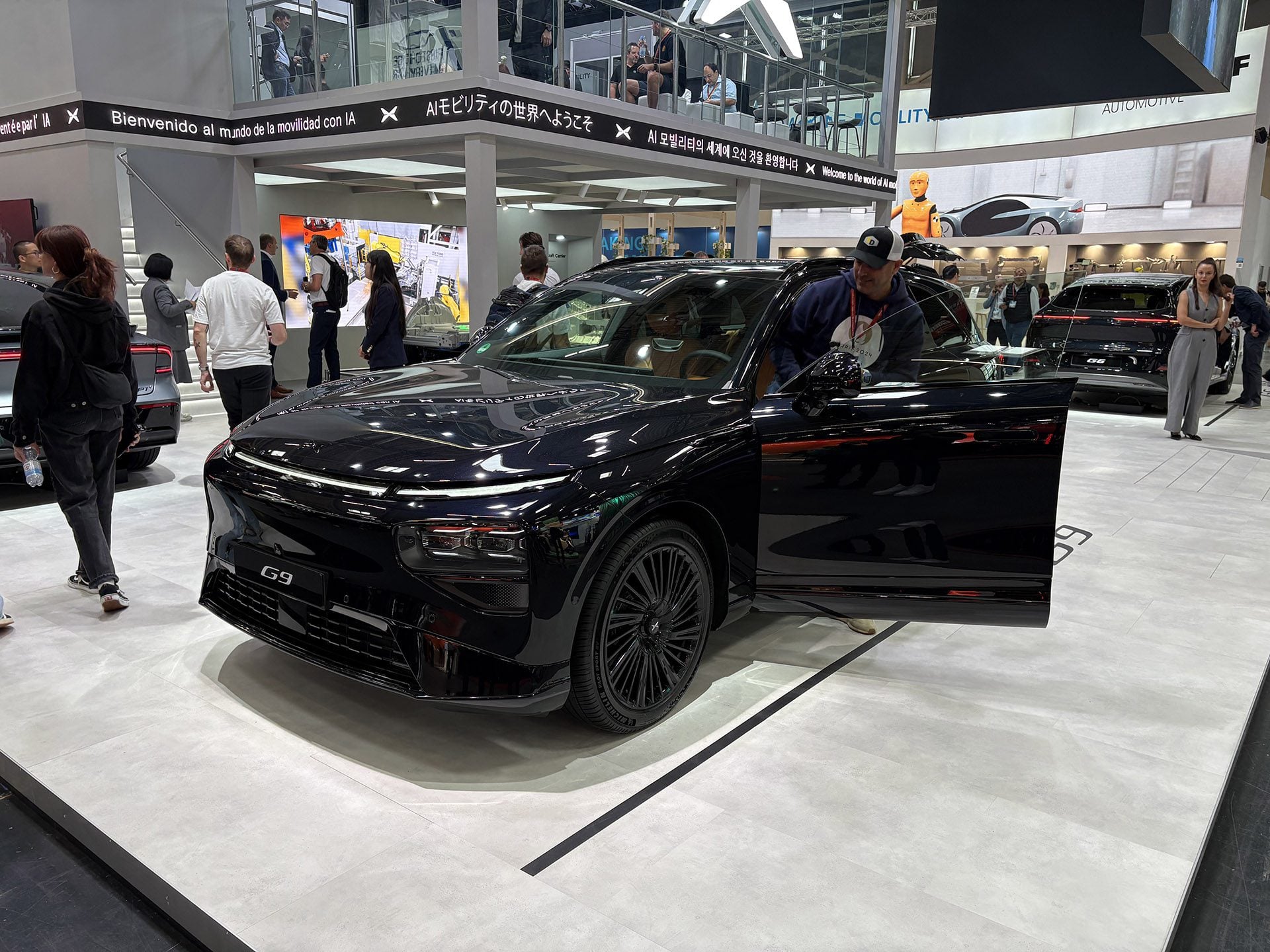
Adding insult to injury, the Chinese are proving they can do luxury just as well as the Europeans. The XPeng G9, for instance, does not just compete with Mercedes or Audi; it matches them head-to-head. Its design language, interior ambiance, and subtle cues, such as premium materials, ambient finishes, and even a cabin fragrance, once set the Germans apart. Now, Chinese EVs are closing that gap rapidly, offering plush, refined interiors at price points that undercut Munich and Stuttgart without compromising on sophistication or amenities.
In Europe, the G9 starts at around €58,000 for the RWD Standard Range, with long-range and AWD performance versions stretching up to roughly €72,000, a significant bargain compared to equivalent German badged SUVs. Yet it still delivers rich materials, advanced tech, and quiet opulence. The long-range RWD model offers a WLTP range of over 350 mi (570 km) and charging speeds of up to 300 kW, providing serious substance, not just style.
Traditionally, buyers in the premium segment expect genuine leather, ventilated and heated seats, fully electric everything, and a seamless experience: walking to the car with your phone and having your personal settings already loaded without fiddling with buttons. The XPeng G9 not only meets those expectations, but it also elevates them, often for less. German marques cultivated luxury as their exclusive domain for decades. But vehicles like the G9 do not just catch up, they challenge that assumption, offering fresh, sumptuous interiors without the steep German markup.
Germans are Late to the Party
What makes the situation worse is that BMW, Mercedes, and VW seem perpetually late to the party. They cling to legacy strategies, push out uninspired EVs, and remain stuck in endless boardroom debates while the Chinese and Tesla sprint ahead. Instead of leading the EV revolution, Europe’s carmakers are trying to catch up, chasing the benchmarks set by others rather than setting their own. The problem is not just being slow; it is looking out of touch, unprepared, and arrogant in a market where agility and innovation now matter more than heritage.
The Symbol of Arrogance at IAA 2025
Perhaps the clearest symbol of this arrogance was on display at IAA 2025. Every Chinese carmaker, along with Volvo and Polestar, welcomed visitors into their cars, encouraging them to touch, sit, and experience the product firsthand. Meanwhile, BMW and Mercedes kept their vehicles locked behind fences, like museum pieces too precious for the public. It sent a powerful message: Europe is still trying to coast on exclusivity and prestige while the Chinese embrace accessibility and confidence in their products. And that, more than anything, shows why the European car industry is in serious trouble