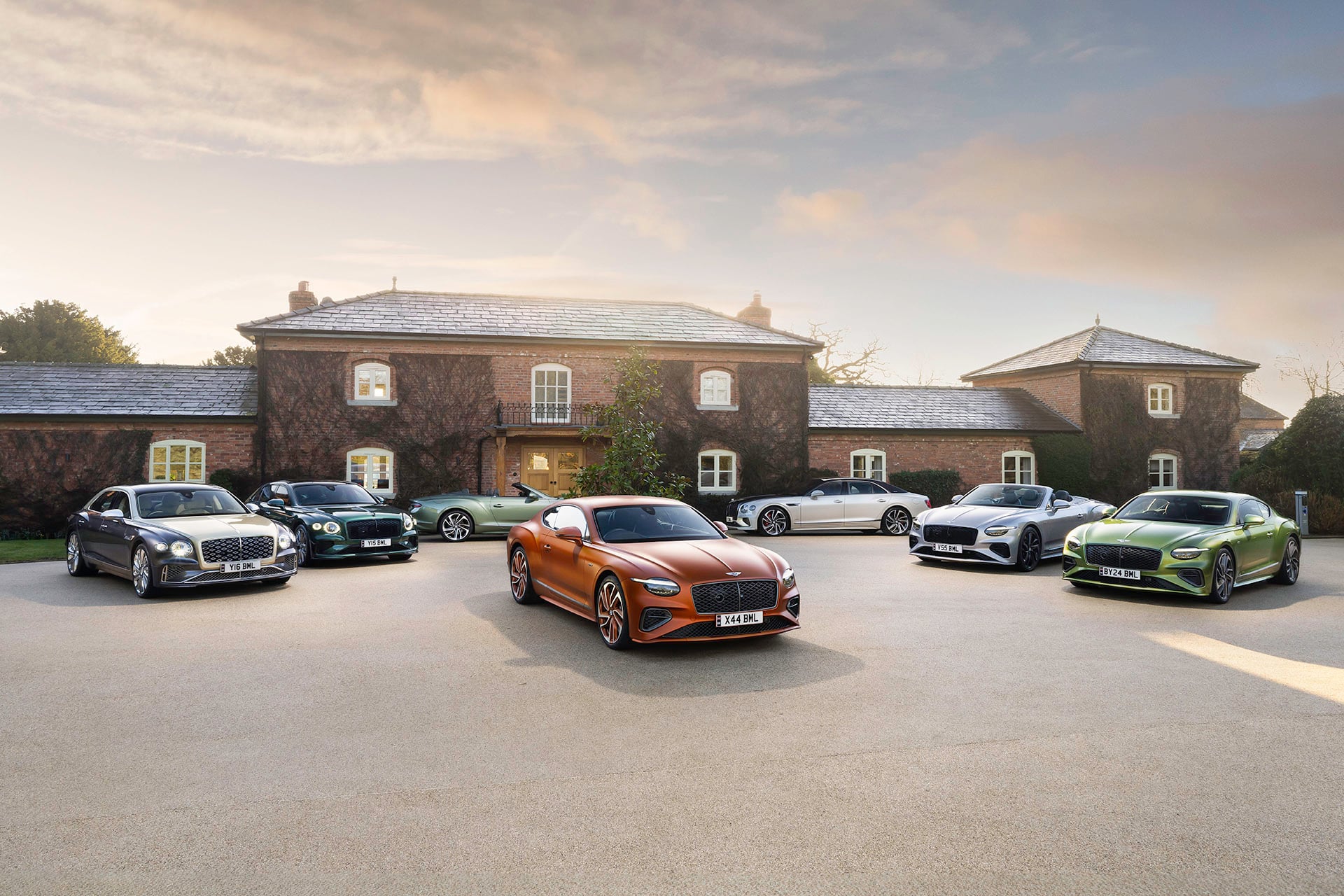
Seven straight years of profit, a new V8 hybrid GT, a Supersports already sold out, and 275 people potentially out the door. Bentley’s 2025 story is complicated.
The Numbers First
Bentley closed 2025 with €2.6 billion in revenue and an operating profit of €216 million, good for an 8.3 percent operating return on sales. That’s a seventh consecutive profitable year, which is genuinely impressive for a brand that was burning money not too long ago. Volume dropped by 5%, mainly because China continued to contract. Revenue only fell one percent, which tells you something important: Bentley’s customers spent more per car, not less.
That’s not an accident. The strategy here is deliberate. Push higher-margin derivatives, push Mulliner bespoke content, push Speed variants. Let volume slide if it has to. The math worked in 2025, and it’s the same logic that’s been working for several years now. When your average customer is buying a Bentayga Speed with a full Mulliner interior, you don’t need to sell as many units to keep the lights on.
What Hurt the Results
The €216 million operating profit number comes with an asterisk. Bentley is clear that the figure was affected by three external factors: the Volkswagen Group’s decision to discontinue a D-segment platform (which created a non-recurring accounting charge), U.S. tariff pressure, and unfavorable foreign exchange movements. Strip those out, and the underlying business looks healthier than the headline suggests.
The VW platform decision is worth paying attention to. Bentley doesn’t build platforms from scratch; it shares architecture with the broader VW Group. When a platform gets discontinued, the brands that planned products around it take accounting hits. The Flying Spur’s future product cadence could be affected here, though Bentley hasn’t spelled that out explicitly. It’s a reminder that even ultra-premium brands are not fully insulated from decisions made several floors above them in Wolfsburg.
The Bentayga Is Still Holding Everything Together
Bentley’s best-selling model in 2025 was the same as it’s been for years: the Bentayga. The Bentayga Speed launched into key markets at the end of 2025, and by all accounts, it’s landing well. This matters more than it sounds. The Bentayga isn’t just a product; it’s the revenue spine of the entire company. Without it pulling its weight, the Continental GT and Flying Spur numbers would need to be a lot stronger to compensate.
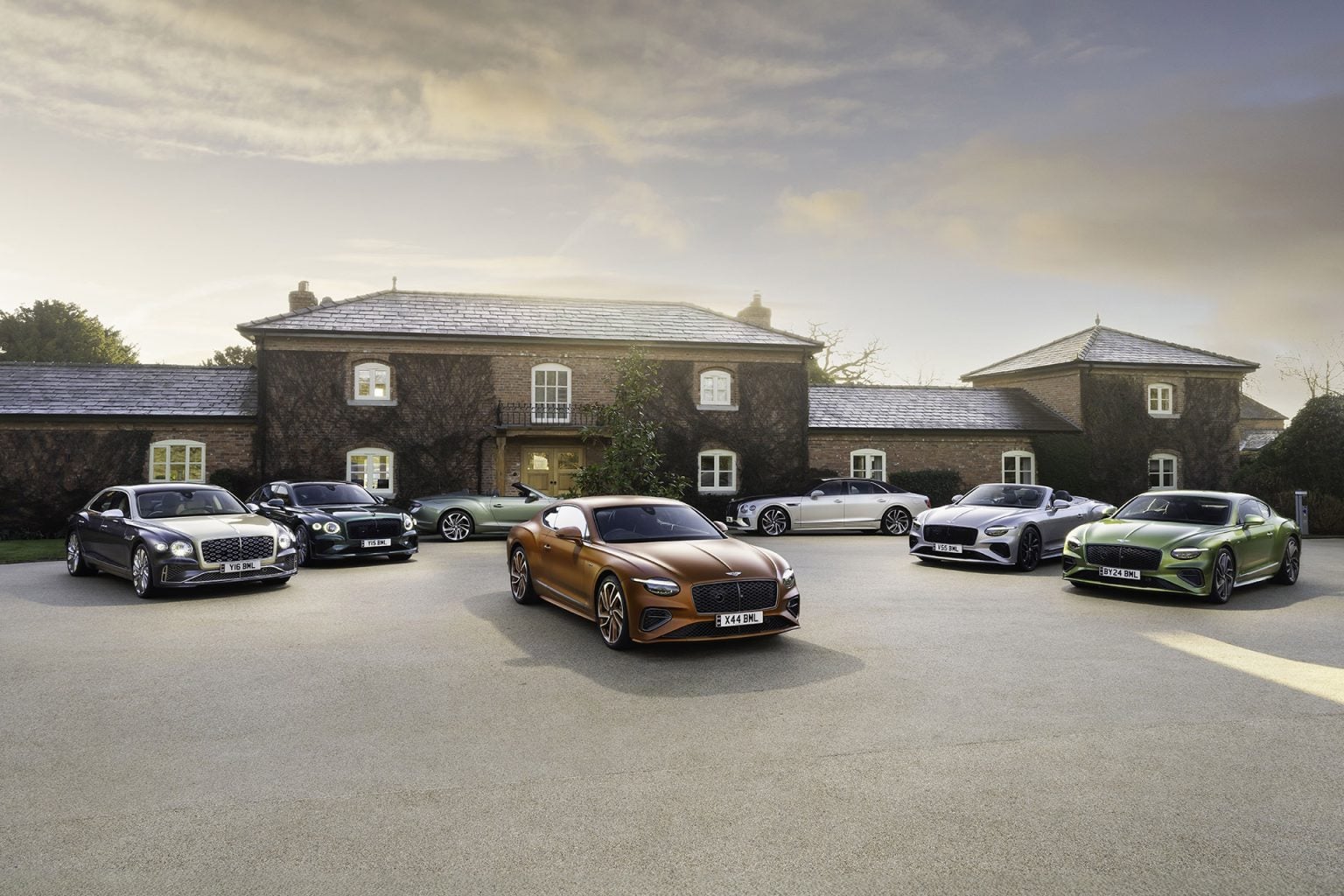
The Continental GT and Flying Spur both got significant updates in 2025, moving to a new V8 hybrid powertrain. Demand held up best for Speed and Mulliner versions of those cars, which again reinforces the pattern: Bentley’s sweet spot is the upper end of its own lineup, not the entry point.
The Supersports Is Already Sold Out and Hasn’t Been Built Yet
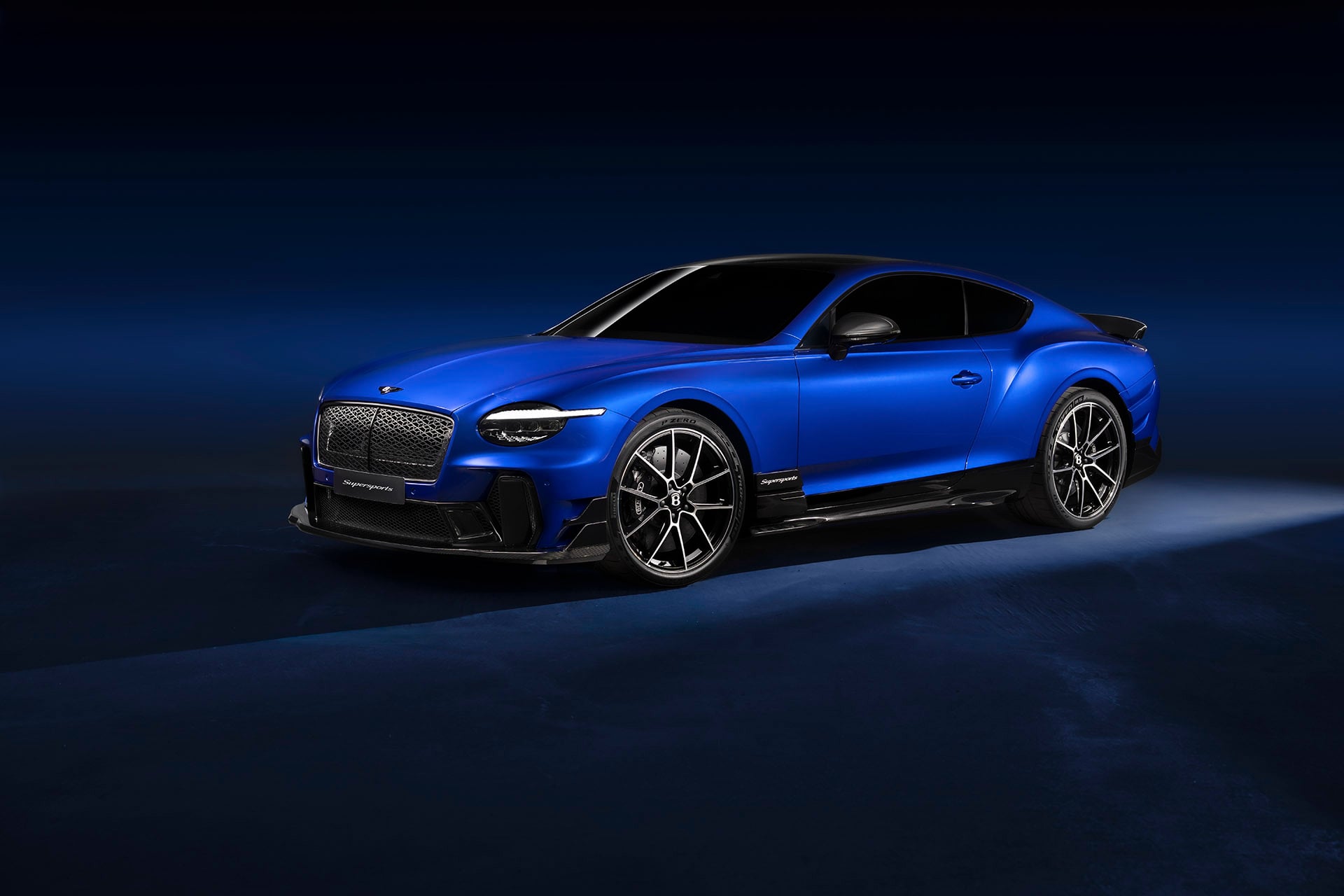
At the New York Auto Show, Bentley revealed the new Supersports. The response was strong enough that the car is fully allocated before first deliveries begin later this year. That’s the kind of outcome every limited-production luxury brand aims for. It confirms there’s still serious appetite for extreme, driver-focused Bentleys, and it gives the company a clean revenue story for a product that hasn’t hit customer driveways yet.
The Supersports positioning is smart. It expands the portfolio into more performance-oriented territory without cannibalizing the core GT. It generates buzz. And if the allocation is genuinely sold out, it probably also means Bentley left some money on the table, which is exactly how you maintain desirability at the top end of the market.
The Potential Layoffs Are On The Horizon
Here’s where it gets uncomfortable. Alongside the profit announcement, Bentley confirmed it’s launching a consultation process that could result in 275 positions being removed from its organizational structure. The roles affected are management, agency staff, and non-manufacturing employees. Production workers at Pyms Lane are not the target here, at least not directly.
Bentley frames this as preparation for the next phase: electrification and future product launches. And that framing isn’t dishonest. The reality of transitioning a luxury car manufacturer to BEV production is that the skill mix you need changes. Some roles that exist today won’t exist in the same form in five years. That’s true regardless of whether the company is profitable or struggling.
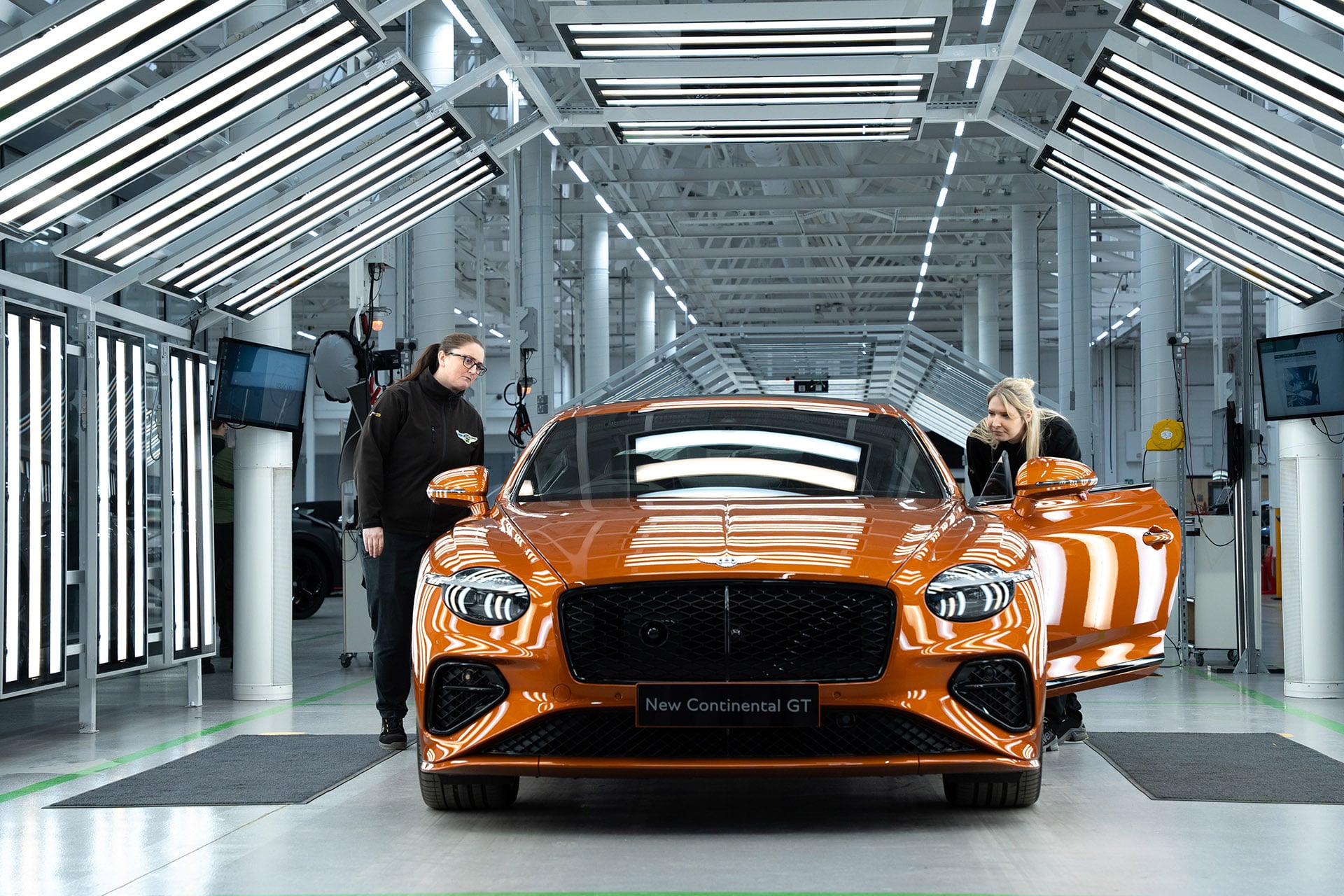
What makes this sting more than a typical restructuring announcement is the context. Bentley just reported its seventh straight profitable year. The Supersports is sold out. Mulliner orders are up. The instinct is to ask: if things are going this well, why cut 275 people? The honest answer is that profitability today doesn’t automatically fund transformation tomorrow. The investment going into Pyms Lane is real and ongoing. The new Paint Shop, the A1 building being converted for BEV assembly, the Design Centre that opened last July: none of that is cheap, and Bentley has committed to self-funding it rather than relying on VW Group capital injections.
“2025 was a pivotal year for Bentley as we continue our preparation of the next generation of Bentleys including our upcoming all-electric model. Our high-performance Continental GT and Flying Spur have set new benchmarks for desirability, while the Bentayga remains our best-selling model with the new Speed derivative entering key markets. The all-new Bentley Supersports opened a new chapter for Bentley and underlines our sportiness and driver orientation.
“We are investing at unprecedented levels in the Pyms Lane site, including the Design Centre, opened in July last year, the near completion of the A1 building for BEV production, and the upcoming opening of the new Paint Shop later this year. At the same time, we are making some difficult decisions to ensure the long-term competitiveness of the business, including an organisational adjustment potentially impacting approximately 275 positions. I want to express my sincere appreciation to those affected – we are committed to supporting each individual with care, guidance and assistance throughout this transition.
“These actions, alongside our investments and Beyond100+ strategy, ensure Bentley remains financially resilient, strategically focused and well-positioned for the next generation of luxury vehicles.” – Commenting on the results, Dr. Frank-Steffen Walliser, Chairman and CEO
Pyms Lane Is Being Rebuilt While the Cars Are Still Being Made
The transformation of the Crewe factory is the most underreported part of Bentley’s current chapter. The A1 building, the oldest structure on the site, is being converted into a future BEV assembly line. The new Paint Shop opens later this year, offering nearly 100 individual paint colors to customers. The Design Centre opened in July 2025. The Excellence Centre for Quality and Launch is already operational.
This is not a brand idling while it figures out what to do with electrification. This manufacturer is undergoing a full-site transformation in real time while still building and delivering cars. That’s logistically and financially demanding, and it’s happening while the global luxury car market is contracting in Bentley’s most important growth market, China.
The Bottom Line
Bentley in 2025 is a brand in genuine transition, and it’s managing that transition better than most would. Seven consecutive profitable years is not luck; it’s the result of consistent decisions to push bespoke content, prioritize value over volume, and keep the brand positioned firmly at the top of the luxury market. The external headwinds, including China, tariffs, and the VW platform write-down, are real but not existential.
The job cuts are the most uncomfortable element of this story, and they deserve to be taken seriously rather than buried in financial language about “organizational efficiency.” But the broader picture is of a company with a clear plan, spending heavily to execute it, and still generating the profit needed to fund its own future. For a legacy British luxury brand navigating the shift to electric vehicles while the market around it softens, that’s about as good a position as you can reasonably ask for. The brand is here to stay. Which is great news both to us and every other petrolhead out there.
Source: Bentley